Is Colombia safe to visit in 2025? Everything you need to know
Is Colombia safe to travel to in 2025? Before we left for our travels in Colombia, most likely we had the same concerns and preconceptions that prompted you to search for this guide.
Thanks to the media surrounding this South American country, and from recently binging NARCO’s, Sara and I left the UK with higher-than-usual anxiety levels in comparison to any other trip we’ve taken thus far.
However, after spending less than a week in Colombia, we quickly realized that all of our fears and worries were completely unwarranted! Colombia is not the same country that we saw in the news 10-years ago, and it’s certainly not the same country portrayed in the Netflix’s series, far from it.
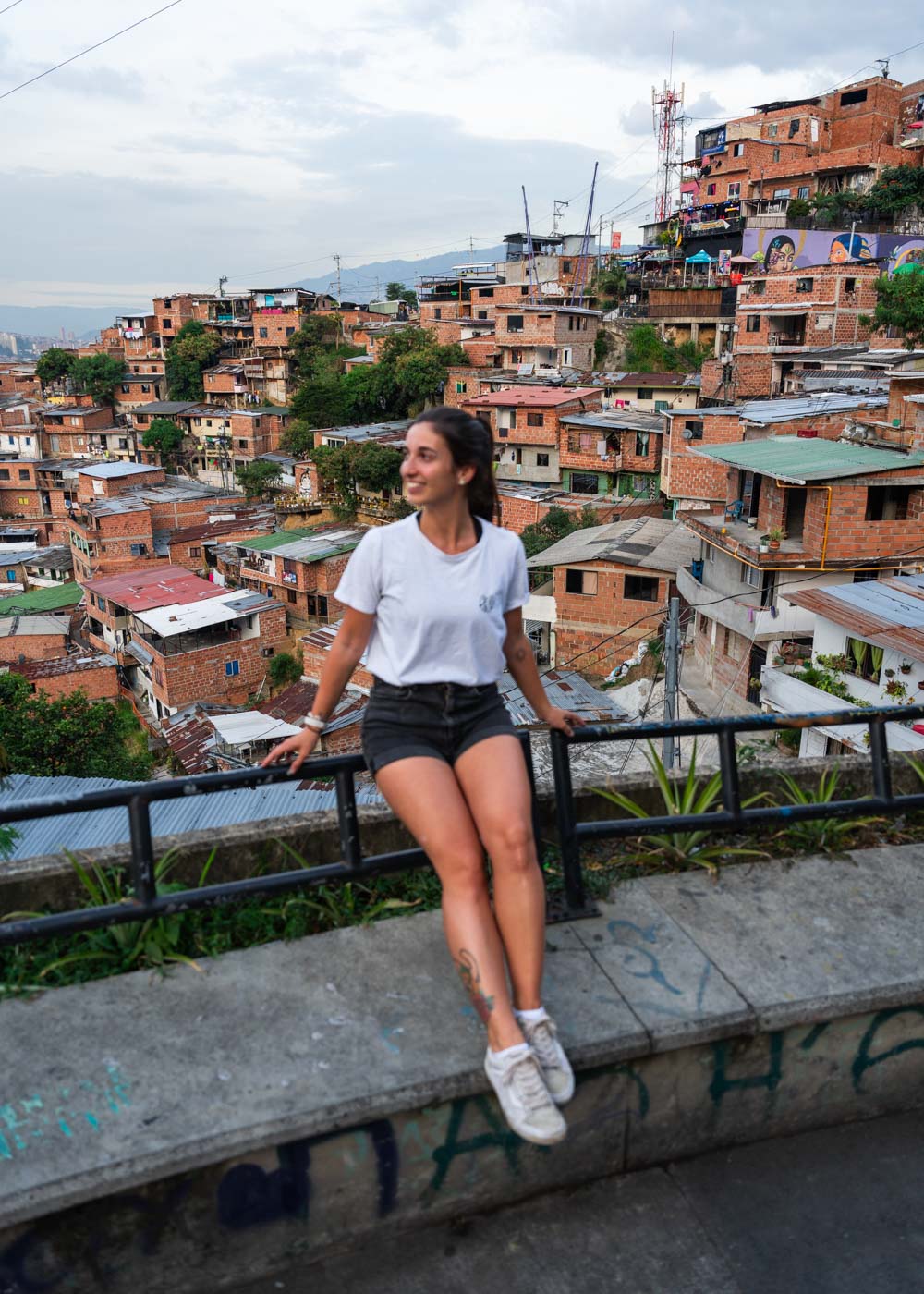
We’re pleased to announce that in 2025, Colombia is indeed a safe place to travel, as safe as any other backpacking destination in the world!
But bare in mind, this doesn’t mean that Colombia is without crime or danger at all. There are still certain precautions and procedures you should take to minimize any danger to your personal safety.
To that end, Sara and I have put together the most comprehensive guide on the internet to safety in Colombia in 2025. We want to offer opinions and stories derived directly from our own experiences, as well as provide all the information you need to pre-plan and undertake a Colombian trip of your own!
This post may contain affiliate links. Please read our Disclosure Policy.
Why people assume Colombia isn’t safe in 2025?
It’s no secret that Colombia has had a tumultuous history in regards to major crime and drug cartels. If, unlike us, you lived through and remember the 1970’s to the 1990’s, you probably remember seeing drug smuggling, bombings and outright murders on the news.
La Violencia
To begin, in a period now coined ‘La Violencia’, there was a huge civil war between the right-wing and left-wing parties of Colombia over a 10-year period.
From 1948 to 1958, the political parties, along with support from paramilitary and guerilla groups (a.k.a terrorist groups), there are estimates of 300,000 deaths, 800,000 injuries and over 1 million people being displaced.

Medellin Cartel
Fast forward to 1976, Colombia then saw the formation of the Medellin Cartel. Headed by the infamous Pablo Escobar, the cartel saw extreme success in the cocaine trade throughout the 1980’s and early 1990’s.
During this time, there were several bombings, murders and bribing campaigns in Colombia to keep the Medellin cartel on top. Around the same time, paramilitary groups such as FARC and ELN realized they could kidnap high profile citizens and blackmail their families for money.
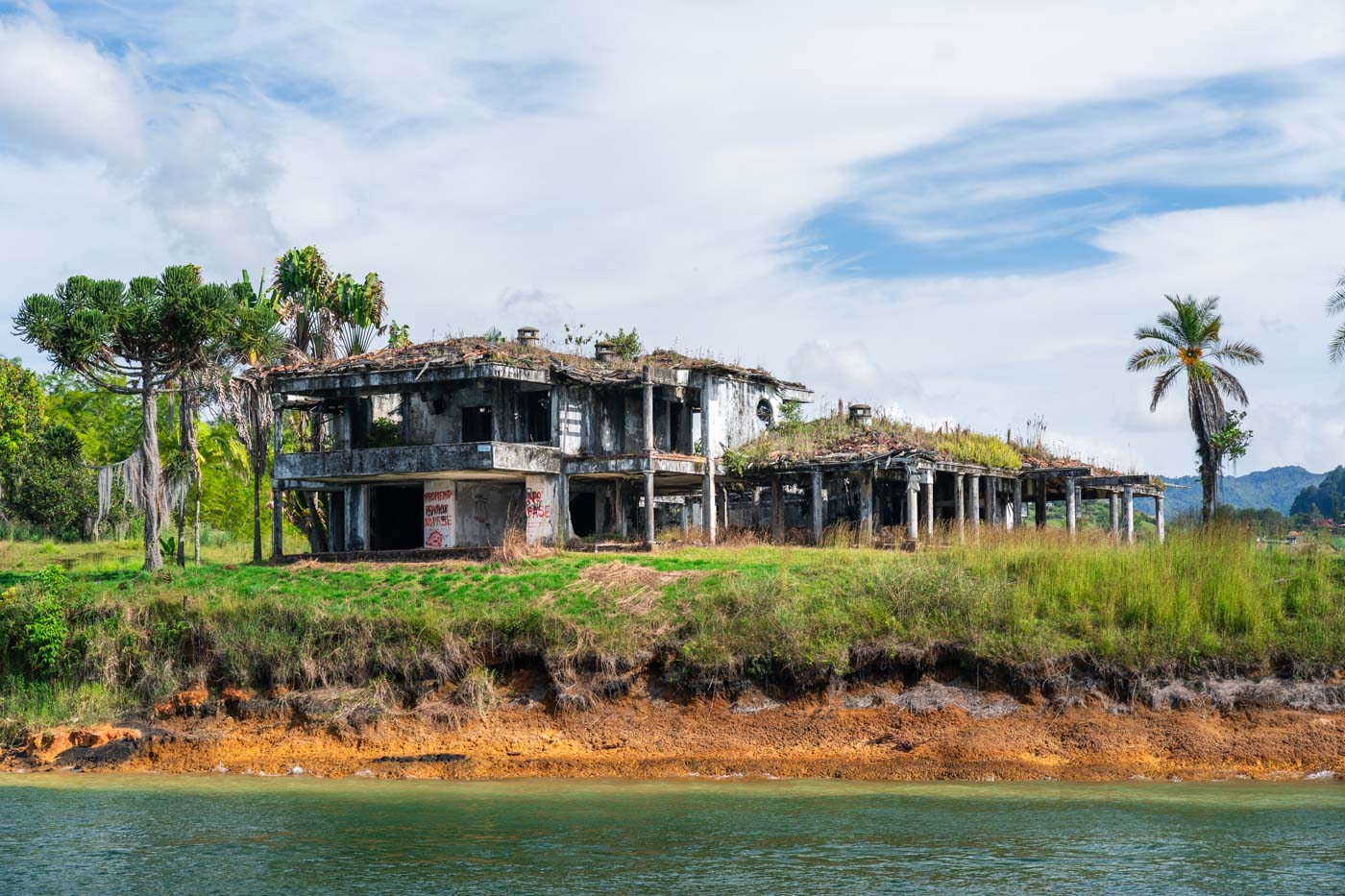
After Pablo Escobar
Finally, after the death of Escobar in 1993, Colombia went through a period of upheaval as cartels, paramilitaries and guerilla groups vied for power over the cocaine trade.
The murders didn’t stop and even more people were being kidnapped, or ‘disappeared’ as they call it in Colombia.
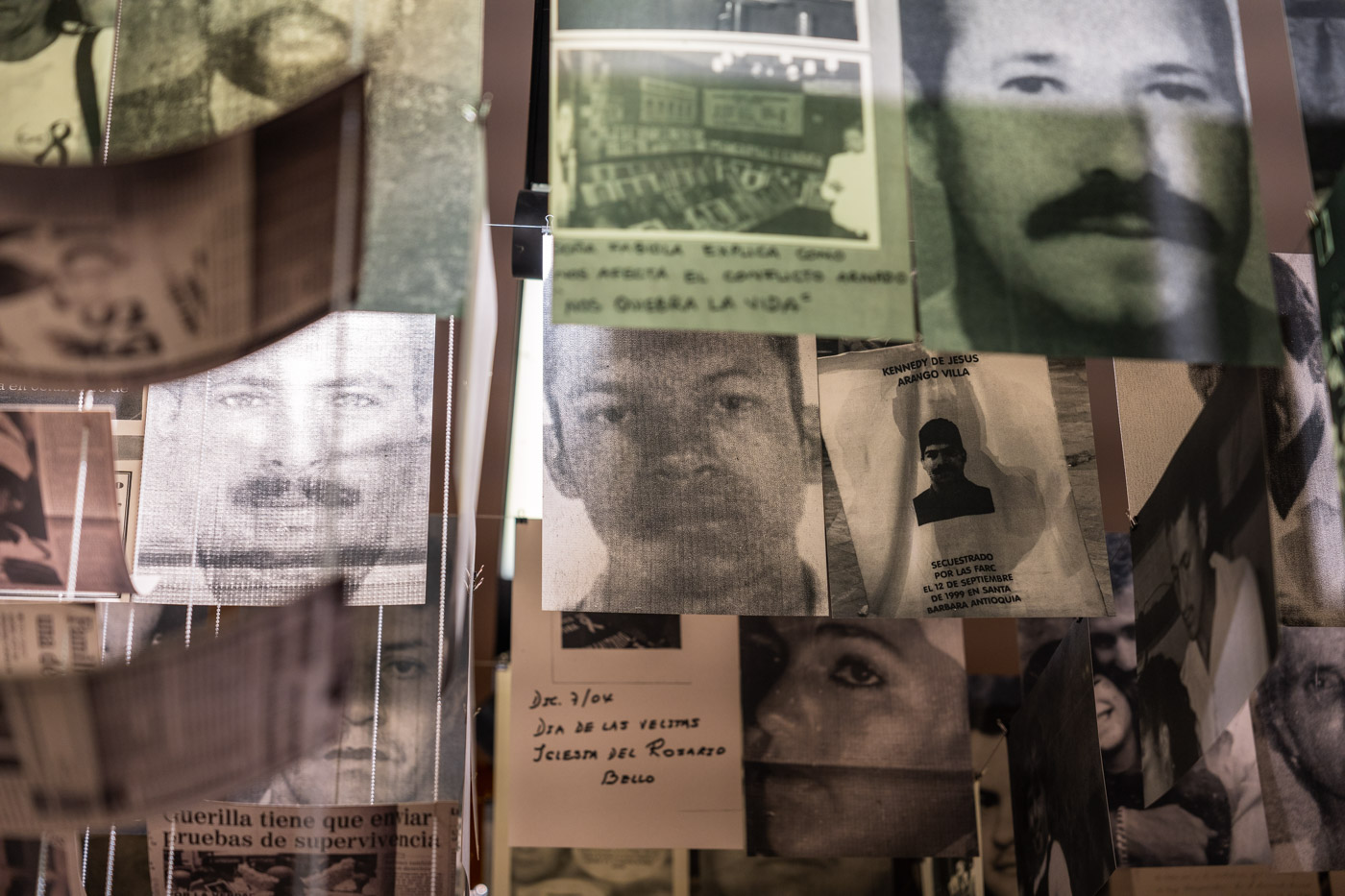
But through the late 2000’s and early 2010’s, the government sought to change this. They wanted to crack down on violent crime in Colombia and transform the reputation of the country. Overall, they were largely successful!
The Colombian government’s clean-up campaign
Since the late 2000’s the Colombian government has been on a mission to eradicate major crime and create a secure country for tourists to visit again. Generally, they’ve been successful and now in 2025, Colombia is genuinely a great country to travel.
You still need to keep your wits about you, but the country is safe!

Is Colombia safe in 2025?
There are a few reasons why you no longer need to worry (as much) about safety in Colombia in 2025.
Firstly, drug lords no longer hold the power in the country as they used to. As we mentioned, there’s been a strong campaign against drug trafficking and a crackdown on the power held by cartels.
Secondly, there’s now a much stronger military and police presence in Colombia than there used to be. While exploring the country, there are soldiers and officers stationed everywhere, ready to act if needed.
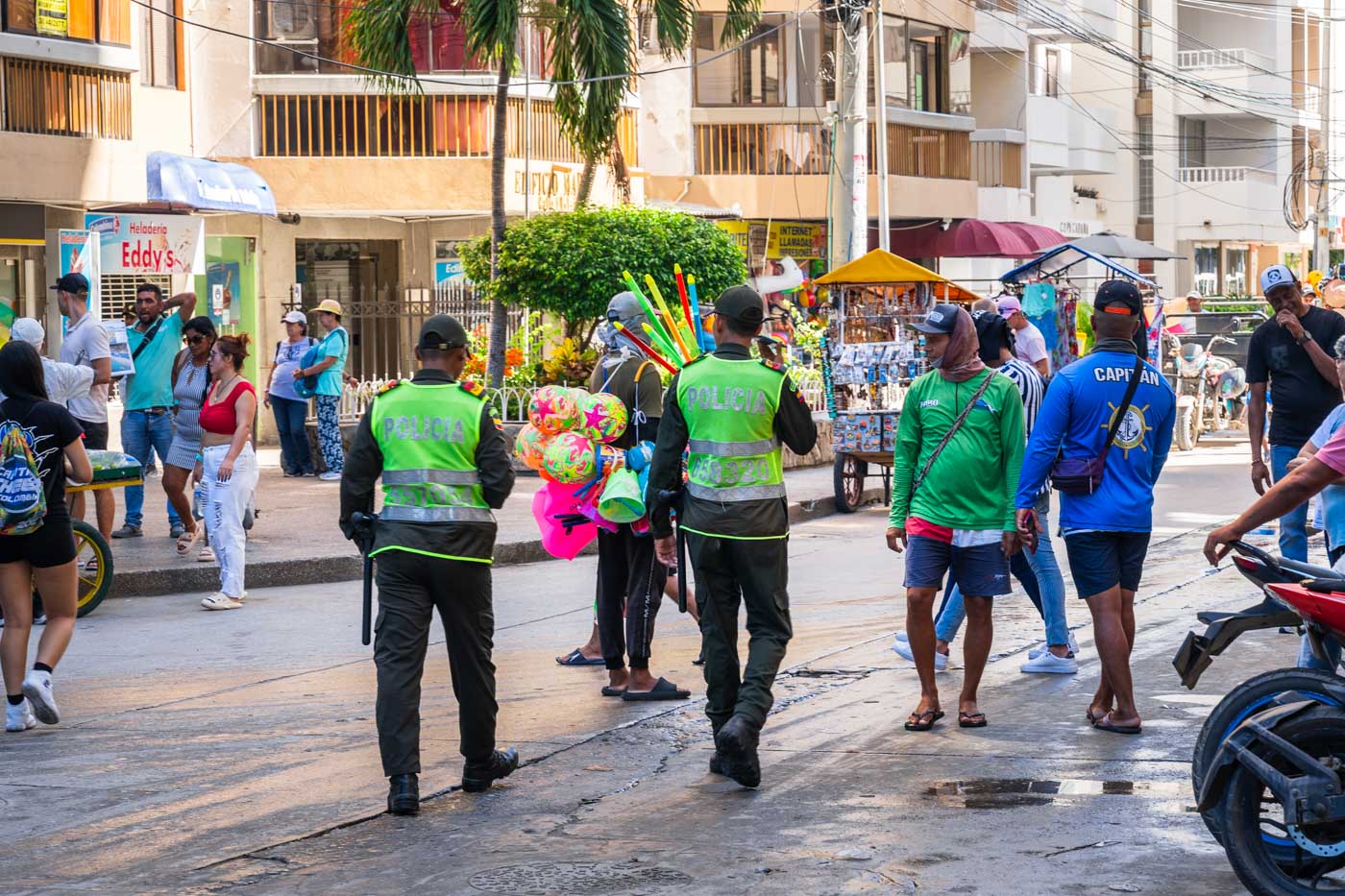
Next is that the citizens are also on a campaign against illegal activities. If they see a tourist being harassed or robbed, the likelihood is that they’ll intervene to stop it. So you’ll even have local Colombians on your side!
And finally, Colombia is a country that now depends on tourism. Between 2020 and 2021, Colombia’s tourism revenue grew by 59.5%. This is something the country doesn’t want to risk and will continue to fight illegal activities to maintain the tourism!
A quick break in this article to talk about best global travel and health insurance for nomads and travellers!
By far the best insurance option we’ve found as full-time traveling nomads is SafetyWing. We’ve been with them for over three years now, and honestly, they’ve been a lifesaver.
Their customer support is some of the best we’ve ever experienced, we can renew from anywhere in the world (no residency required), and the payout process has always been smooth and hassle-free.
SafetyWing offers various insurance plans depending on how much coverage you think you’ll need:
Essential Insurance
- Emergency medical needs while travelling
- Travel protection (delayed planes, lost luggage, etc.)
- $250,000 limit
- 30 day coverage in your home country
Complete Insurance
- Emergency and ongoing medical needs while travelling
- Travel protection+
- $1,500,000 limit
- Ongoing coverage for new conditions
- Indefinite coverage in your home country
- Health & dental check-ups
- Maternity coverage
Our experience spending two months in Colombia
Sara and I spent two months living, working and traveling around Colombia and we had such a great time!
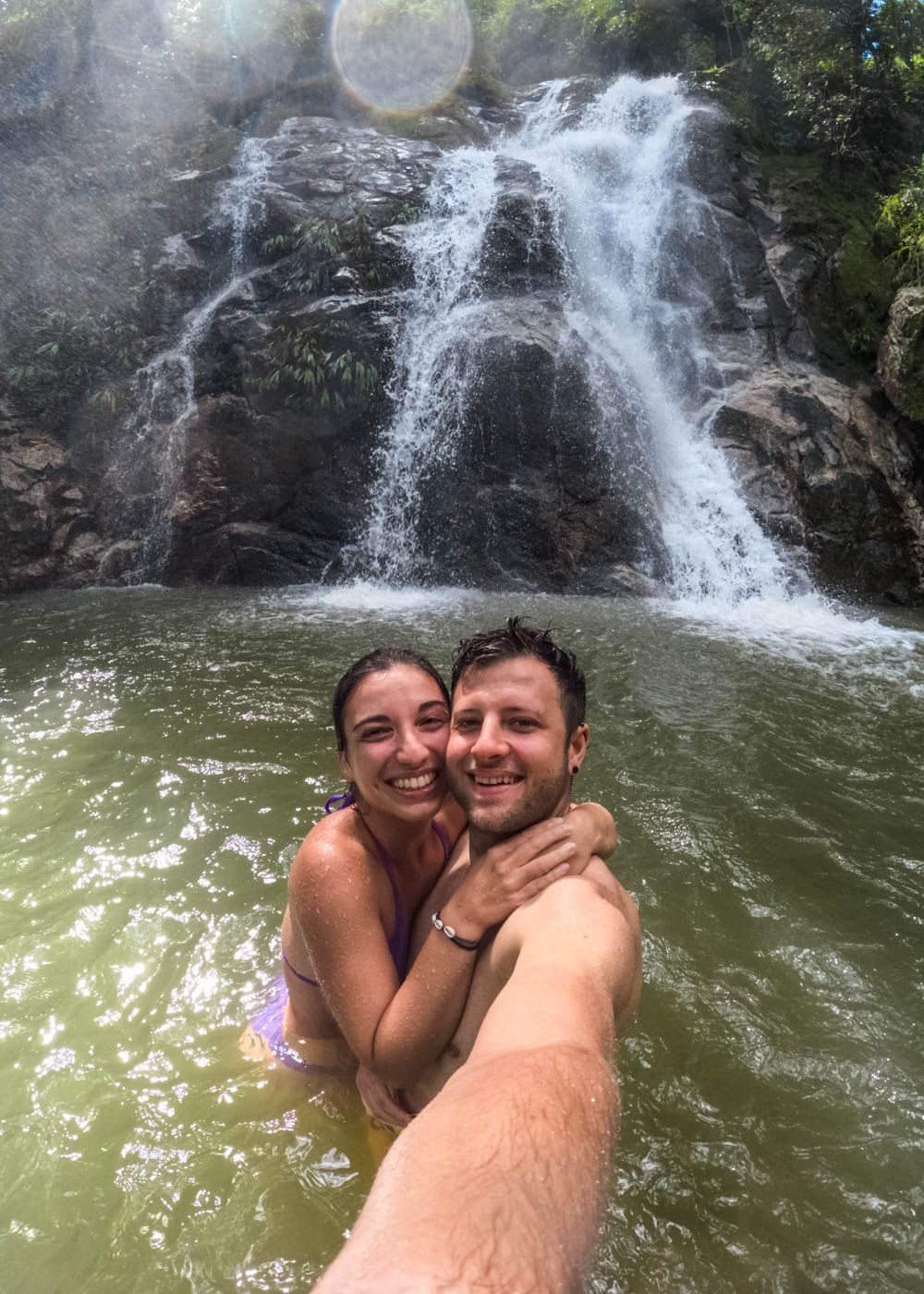
Granted, we feel like our friends might have hyped it up a bit too much to us. Colombia wasn’t our favorite country in South America, that prize goes to Peru. However, there’s plenty to see, lots of different places to visit and many experiences to be had.
We personally split our time up between Medellin in Antioquia, and Santa Marta and the surrounding areas in Magdalena. In terms of safety, we never once felt like we were in danger, being threatened or in any way concerned about our wellbeing.
In fact, we can only talk positively about the kindness and hospitality of the locals. Every single friend we made, tour guide we used or driver we had always did their utmost to make us feel safe.
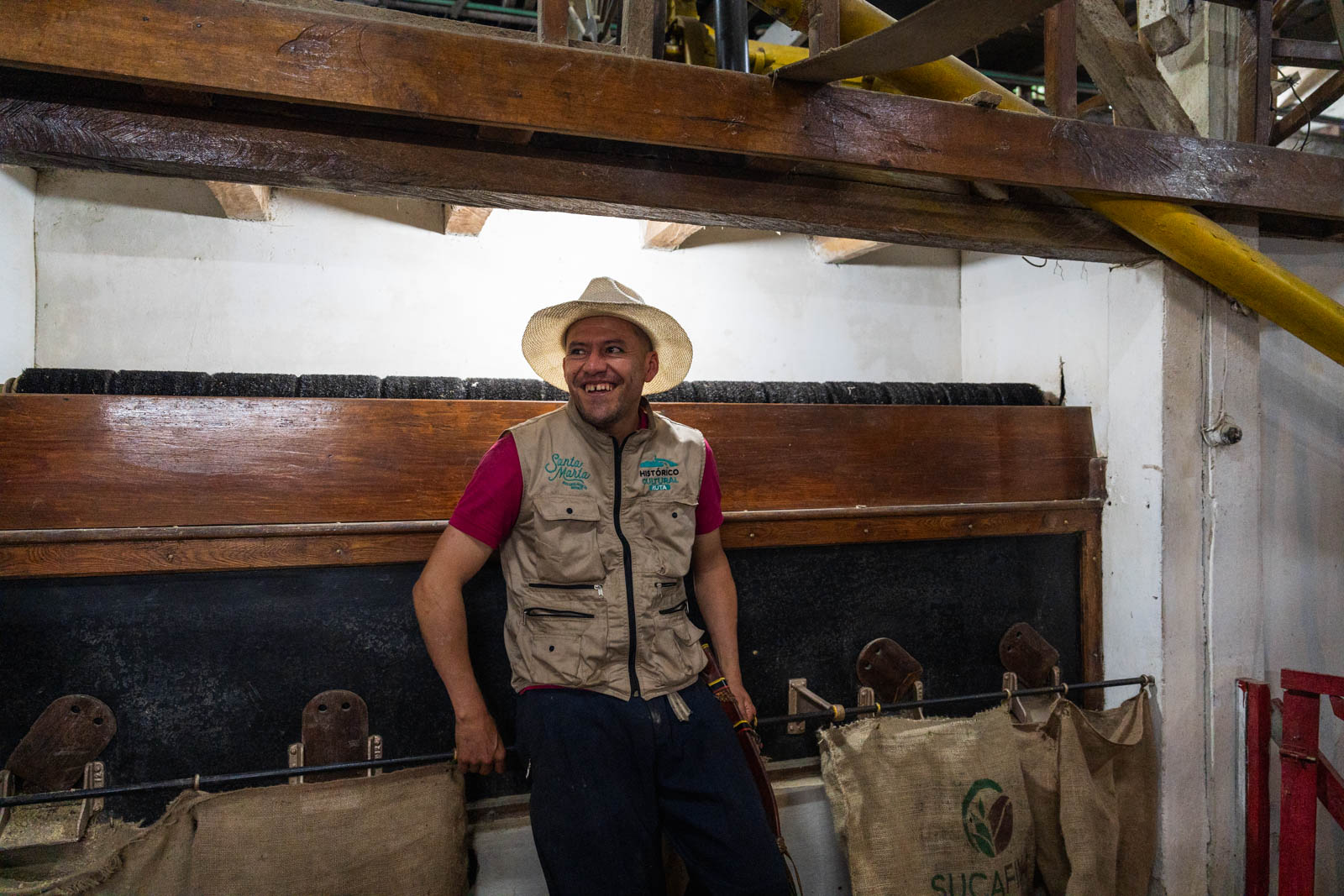
Locals always even go a step further to ensure us that Colombia is now a safe country for tourists. We’re sure you’ll have a similar experience to us!
Are Colombian cities safe to visit in 2025?
Just because we didn’t encounter any crime and felt safe doesn’t mean that it doesn’t happen.
Yes, most major cities in Colombia are now safe for tourists to visit in 2025, but you still need to use your common sense. There are still areas, mainly on the outskirts of Colombian cities, that you should still avoid.
If you start to wander too far outside of a “safe” neighborhood – if you start to feel uncomfortable – then definitely turn around and head back.

In addition, although it’s highly unlikely you’re about to get kidnapped or murdered, there’s still the real possibility of theft. Colombia is still a third world country with a lot of underprivileged people looking to make a quick buck.
If you encounter a situation like this on the street, then it’s better to just hand over your phone and wallet to the assailant and chalk it up as a loss. This way they’ll flee the scene and leave you alone without turning violent.
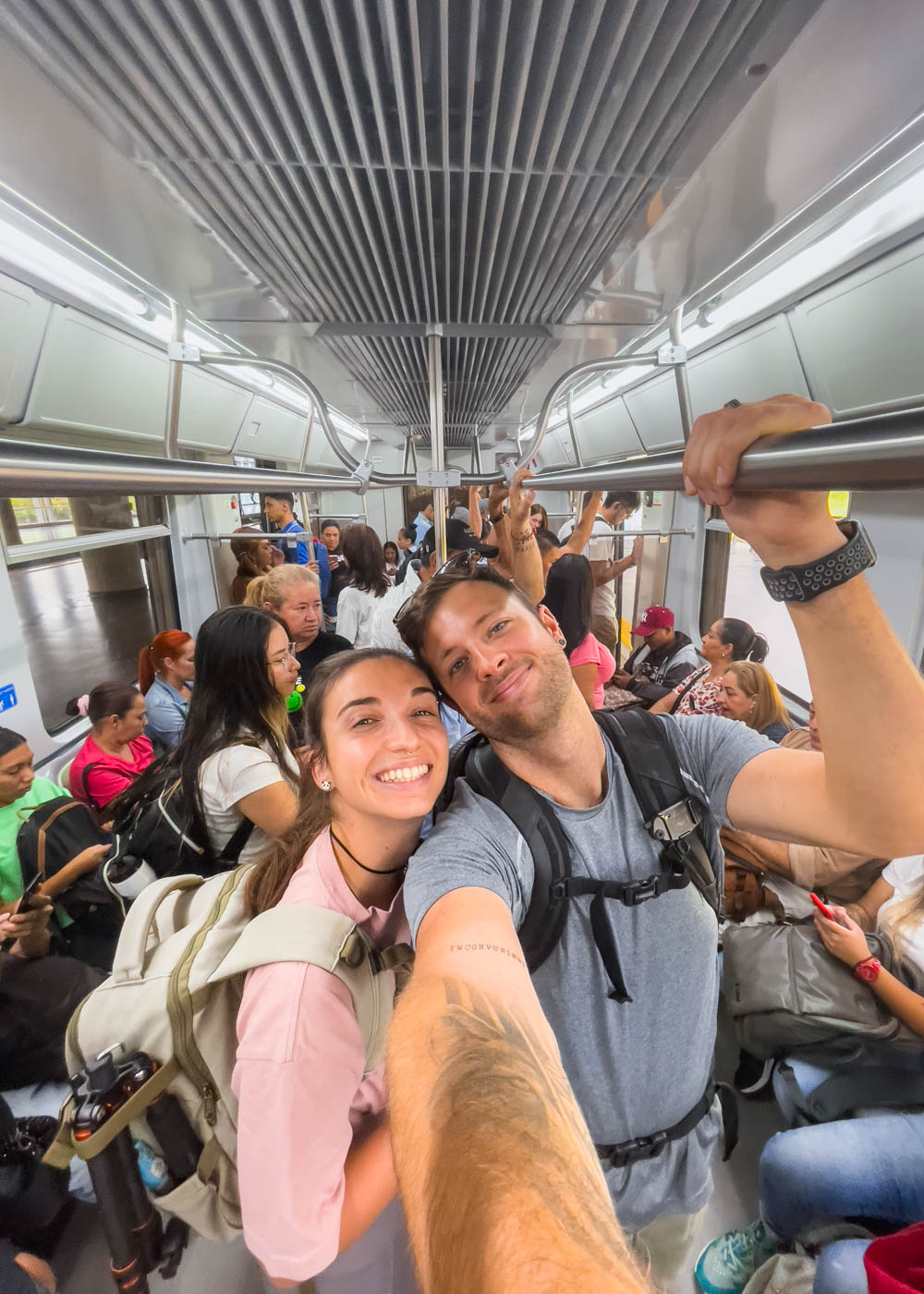
Finally, be careful of pickpockets. This is probably the most common crime you’ll come across while in Colombia. Keep your wits about you and your valuables in a safe place like a fanny pack or zipped pockets. As a precaution, don’t leave your phone on the table while eating or drinking.
Is Colombia safe outside of the cities?
This is a much easier question for us to answer, 100% yes!
We visited multiple small towns and villages in Colombia – Jardin, Minca and Guatape to name a few – and they were all super safe!
In the past, a lot of rural areas in Colombia were incredibly dangerous. This was due to the paramilitary groups claiming territory to these areas and kidnapping people in the hopes of claiming a ransom.
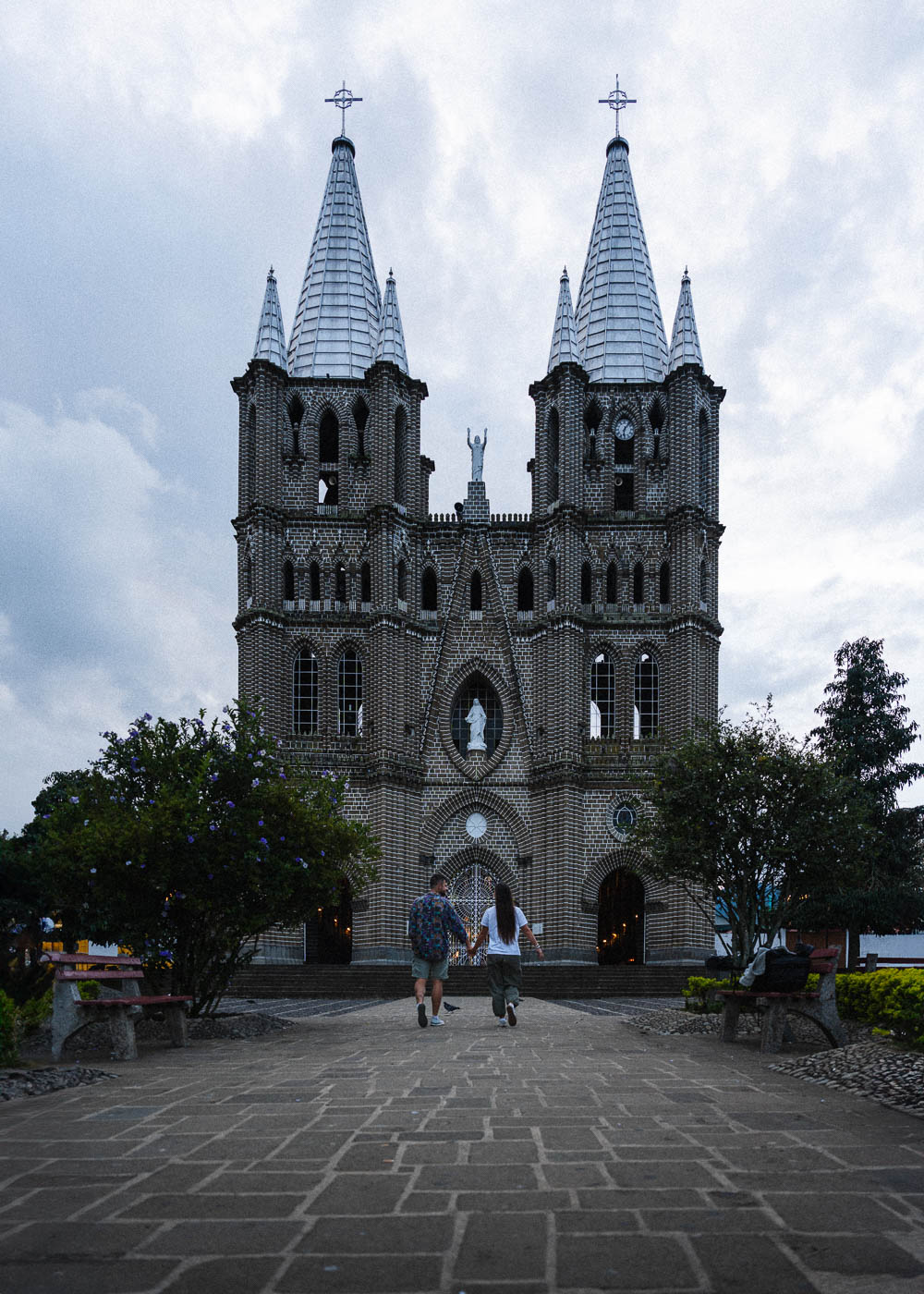
However, in 2025, these paramilitary groups and such tactics no longer exist. Most small towns and villages in Colombia have become tourist attractions, relying on tourists to fuel the local economy.
If people were being robbed and kidnapped all the time, that wouldn’t be great for business would it? As a result, you’ll have no worries visiting rural Colombia in 2025!
Is Colombia safe for solo travel in 2025?
Although we travel together as a couple, Sara and I both agree that we would both feel comfortable traveling solo in Colombia in 2025.
It’s worth mentioning that we have over 10-years of combined travel experience. After such a long time, we’ve learnt to read different situations all across the globe.
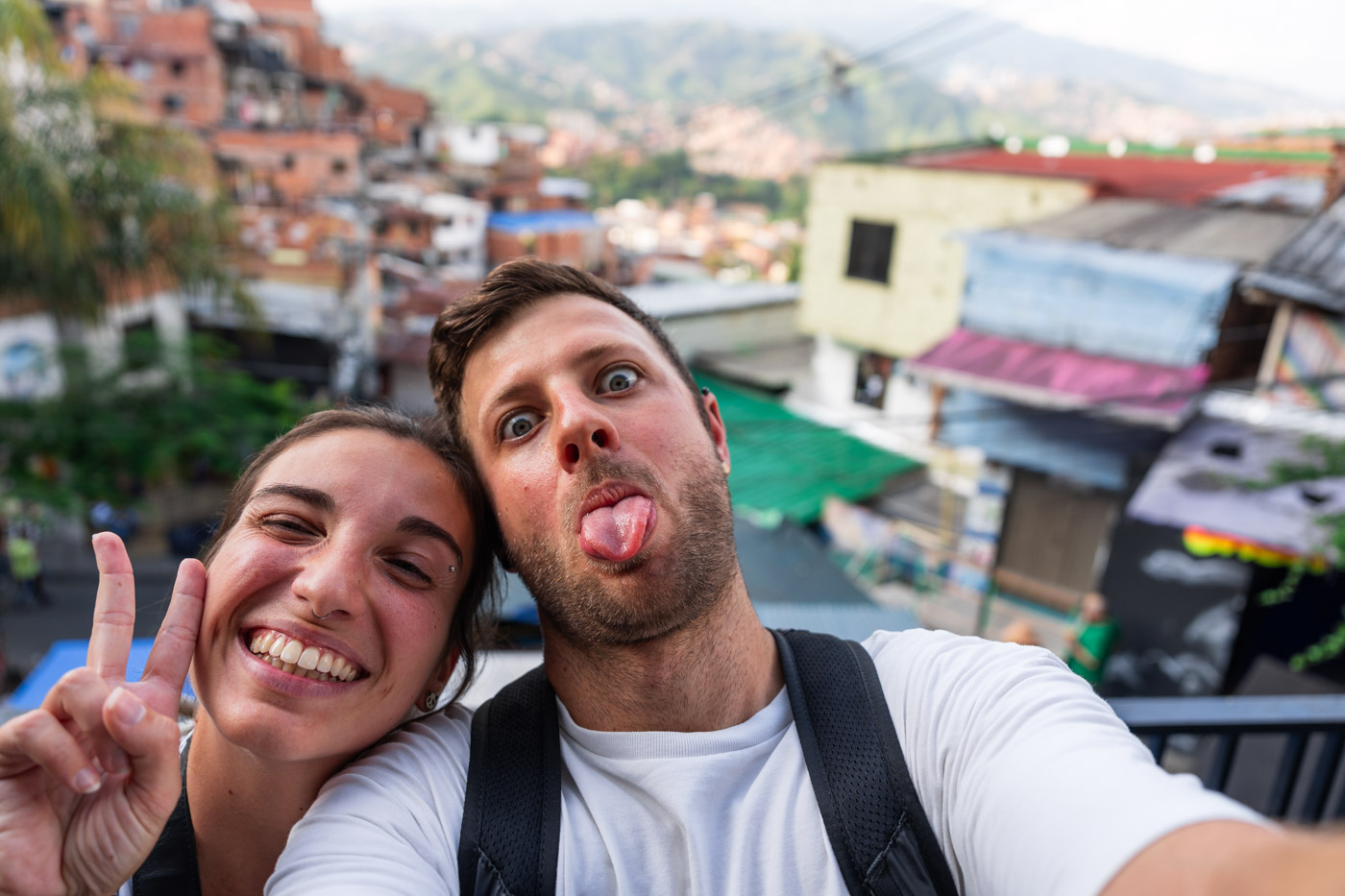
If you’re new to traveling, especially solo travel, then maybe Colombia isn’t the best first country for you. Instead consider South-East Asia or, if you’re set on South America, we’ve found Peru and Bolivia a lot less intimidating. We’ve also heard great things about Argentina!
However, if you have travel experience under your belt, then a solo trip to Colombia is definitely doable. We met tons of solo travelers during our two months here and no one seemed to have any more issues than maybe just a stolen phone… which could happen to anyone anywhere.
Both Sara and I had our phones stolen in Bali, one of the safest places on the planet!
Did Sara feel safe in Colombia as a woman?
Hi guys, Sara here taking over for this particular section of the guide!
In general, I felt pretty safe in Colombia, safer than I originally thought I would. However, there are precautions I would recommend if you are a solo female traveler in Colombia.

For example, I always felt safe wandering around the touristy areas of Medellin during the day. But I would be a bit apprehensive about walking around alone at night, especially on the quiet streets.
Instead, I think it would always be better to make sure you’re always in groups of at least three people after dark.
It’s always worth consistently ‘vibe checking’ too. As you move around the cities in Colombia, make sure to always be weighing up the situation every now and then to make sure you feel safe.
If an area starts to feel a bit iffy, then it might be best to head back to an area where you last felt safest.

But otherwise, don’t miss Colombia off your itinerary just because you think it’s too dangerous for solo female travelers, because it’s not! You just need to use common sense, make friends and avoid putting yourself in vulnerable situations.
Will you be kidnapped in Colombia?
The quick and easy answer here is no.
As we mentioned, in the past kidnapping was a way for paramilitary groups to make a quick buck. But now in 2025 they no longer exist!
In fact, Colombia has become a country that now relies on tourism instead of the drug trade. If tourists were being ‘disappeared’ left, right and center then holiday makers and travelers would stop visiting.
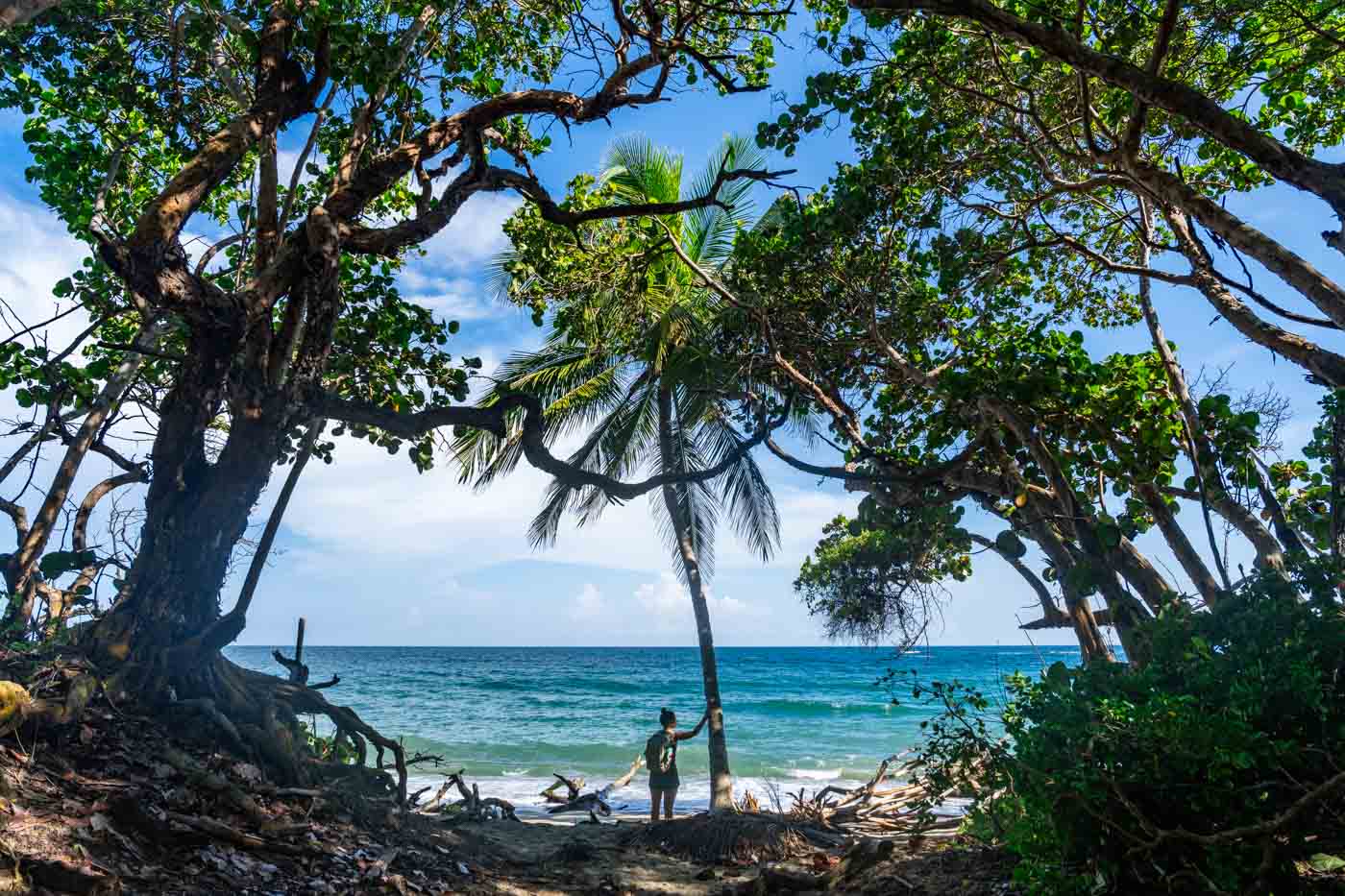
In general, so long as you’re not getting mixed up with the current cartels, which are much less authoritative now, then you’re going to be completely safe from kidnapping.
Common Crimes in Colombia
We’ve covered a couple of these briefly earlier in the article. But here are the main crimes in Colombia that you need to watch out for.
Pickpocketing
The most common crime you’ll likely come across in Colombia is pick-pocketing. There’s still a big divide in Colombia in 2025 between the rich and the poor, and the poor tend to be very poor.
As a result, there are a lot of people, mainly in the cities, looking to make money quickly and easily. One of the easiest ways is to steal things like phones and wallets and sell them.
You’ll need to keep an eye out for pick-pockets not only in rougher areas of the cities but also in the tourist hot spots. These kinds of people will target anyone, locals or not, but tourists are the most vulnerable targets in their eyes.
Always keep your valuables out of reach, like in a fanny pack or zipped pockets, and never leave them out on a table. Be hyper-aware of your belongings in large crowds especially and never leave your backpack unattended.
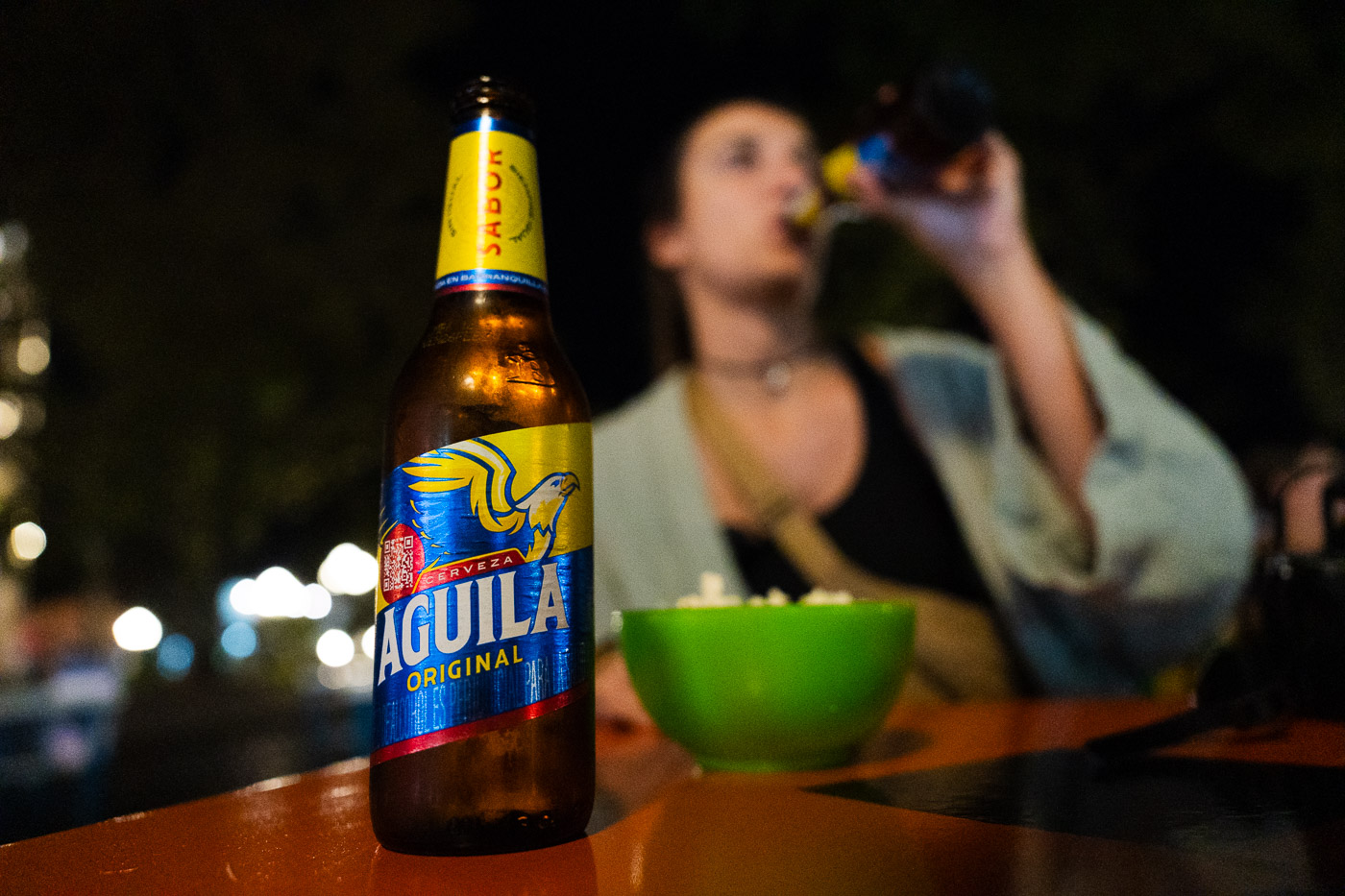
Oh, and don’t be super obvious with money when withdrawing it from a cash machine!
Snatch and grabs
The next common form of crime you might come across is a snatch and grab. This could be either when the assailant is on the back of a bike or on foot.
Essentially, this is when a robber moves past you at a higher speed and snatches your purse from your shoulder or your phone from your hand. The chances are you’ll never catch up, so it’s not worth trying.
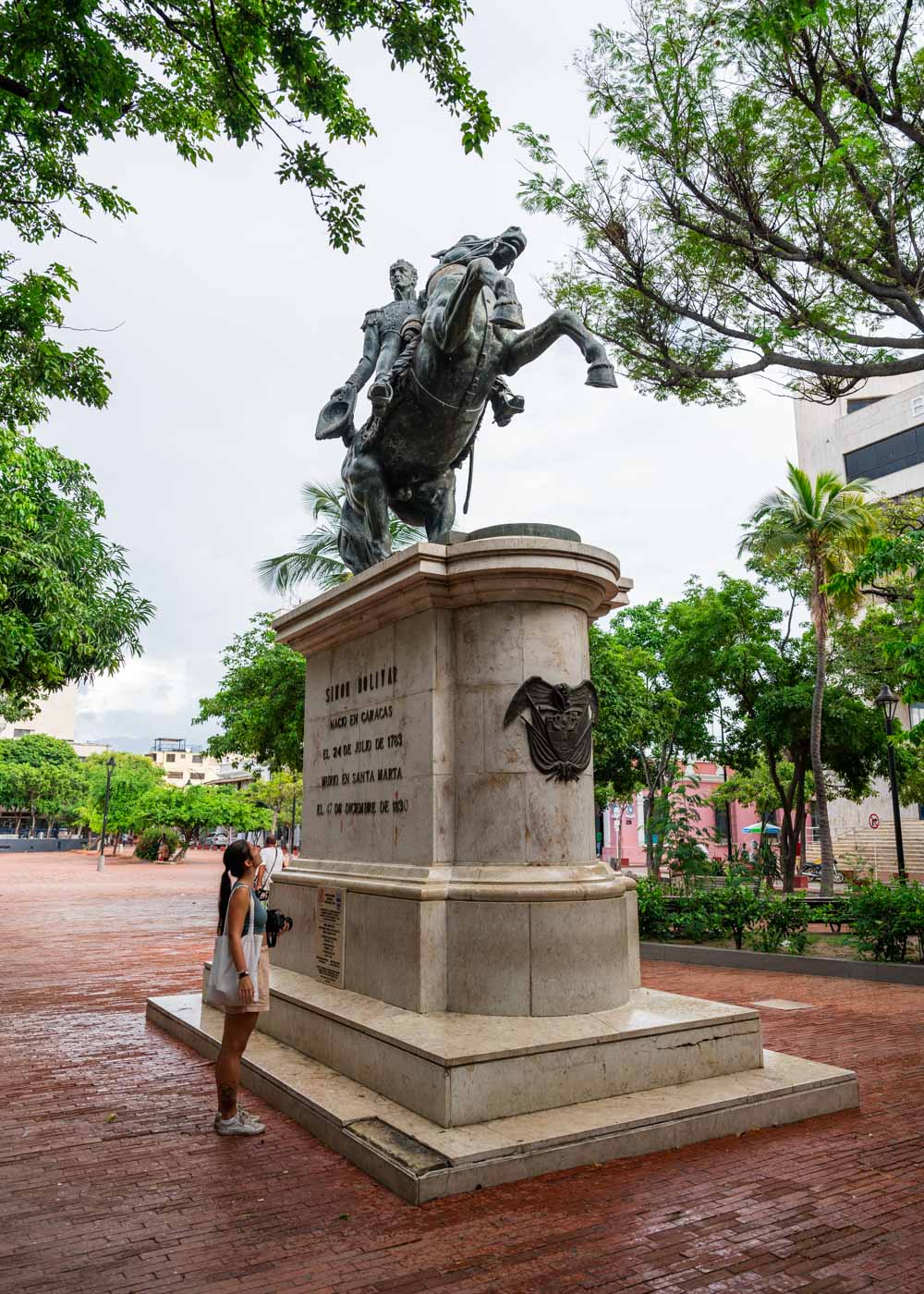
Like pick-pocketing, this happens almost worldwide and is not limited to Colomba. I know plenty of occurrences in my home capital city of London and this happened to a friend of mine in Sevilla, Spain.
To avoid becoming a victim of a snatch and grab, keep your bags or purses secure to your body instead of hanging it on one shoulder. In addition, always be weary of your surroundings if you’re walking along the street playing on your phone, or even better, don’t play on it!
Mugging or robbery
Even though Colombia is much safer now than a decade ago, that doesn’t mean it’s without its violent crimes.
We don’t want to frighten you, but robberies definitely do happen in the cities of Colombia. However, it never happened to us, we never saw one or otherwise experience this at all. In fact, our good friend has lived in Medellin for over five years and has also never experienced a robbery or known anyone to be robbed.
But that doesn’t mean it doesn’t happen, so it’s good to be prepared just in case.
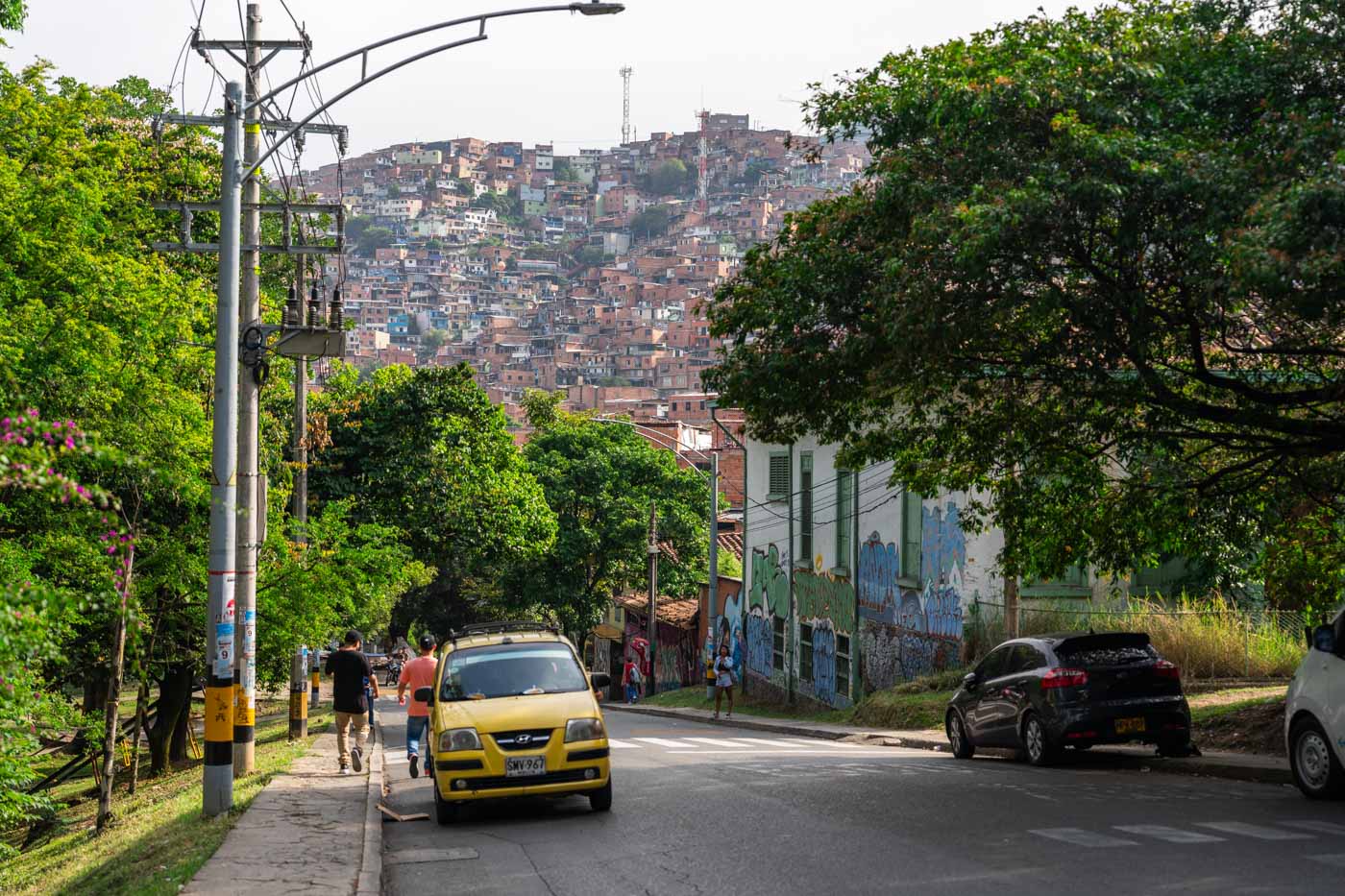
That same friend told us the best move if you are faced with a knife or a gun is to just hand over your phone and wallet and move on from it. It’s better to lose a few valuables and experience some inconvenience than to provoke a desperate person who needs money.
If you try to resist or fight back, the robber (who is probably already scared and on edge) might react the wrong way and you could find yourself in hospital.
But we just want to reiterate that this is rare, so don’t let it put you off a trip to Colombia in 2025!
Common Scams in Colombia
Besides the crimes mentioned above, there are also a popular scam you should be aware of!
Tinder scam
This might sound like something that female travelers need to watch out for, but actually this scam is more directed at the boys.
There are lots of men heading to Colombia in 2025 on vacation, or traveling with the intent on trying to win over a Colombian woman.
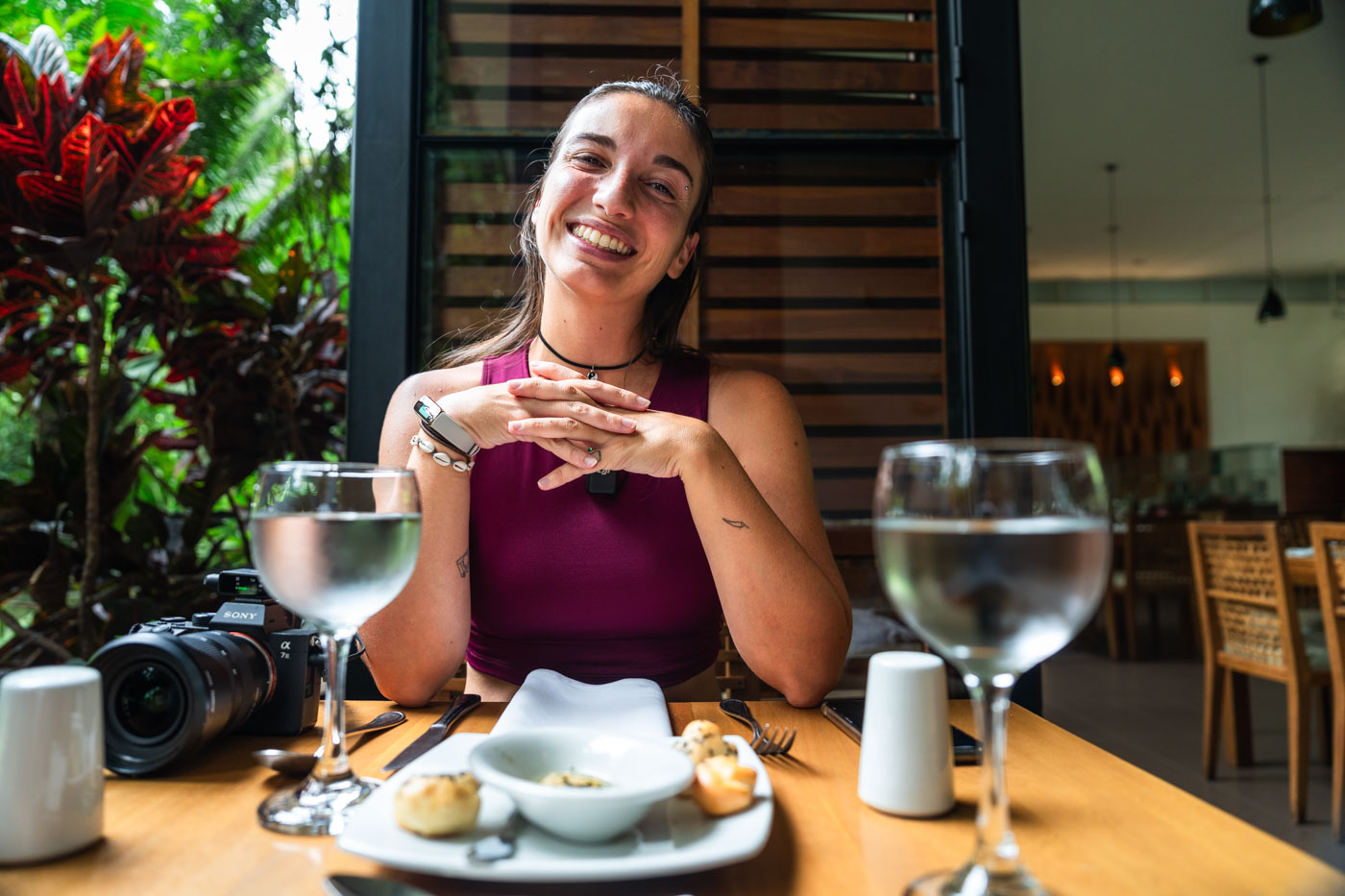
Well there are local thugs and gang members in Colombia trying to capitalize on this. They’ll either create fake profiles of women or work together with real women to lure in foreign men, drug them and steal their belongings.
The best way to avoid this scam is to always choose a very public meeting spot for your date. Furthermore, we advise that you’re always cautious with your drink on a date until you get to know the person better and never accept a one-night stand offer on the first date… sorry lads!
Are taxis safe in Colombia?
Judging from our own experience of traveling Colombia in 2025, we believe that taxis are a super safe way to get around.
While we were in Medellin we mostly used Uber without any issues at all. Uber also removes having to haggle with some drivers too.
We also simply hailed taxis from the side of the road. Most would run a meter to avoid arguing over price but some we had to negotiate before getting in the taxi. Generally, all the prices we agreed on were reasonable.
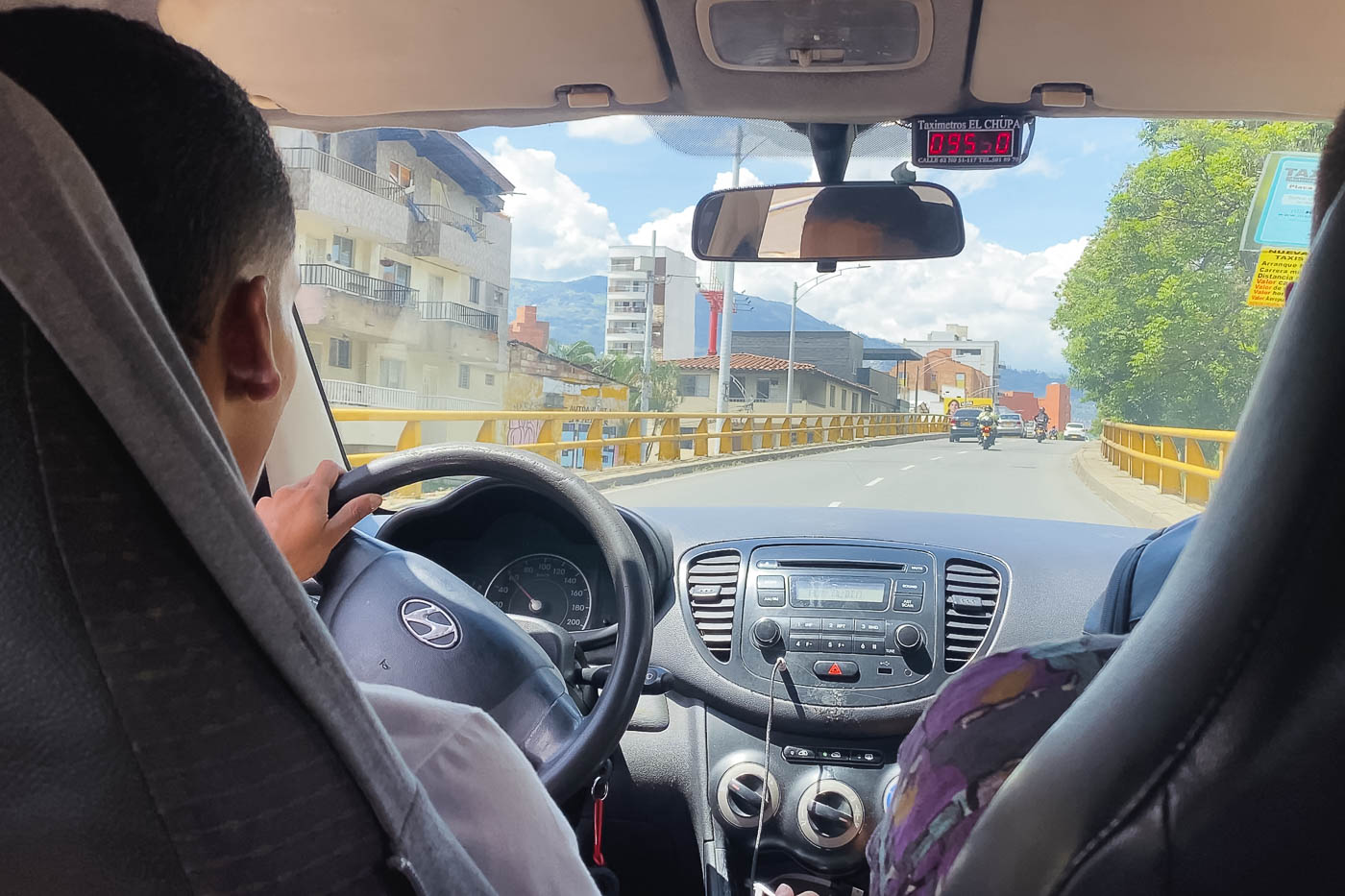
In Santa Marta (and most places we’ve visited in South America) we used an app called InDrive. It’s similar to Uber with the twist that you offer out a price and drivers in the area can counter offer or accept. Then you pick the driver you want!
Either way – Uber, InDrive or the old fashioned street hail – you don’t need to worry about your safety in taxis when traveling Colombia. Just be more cautious at night!
Is tap water safe to drink in Colombia?
This particular section is an unusual one. You’d be quick to assume that, with Colombia being a third world country, you can’t drink the tap water, right?
Well that’s what we thought too. It turns out, that’s only partially correct. Tap water is actually drinkable in most of the country!
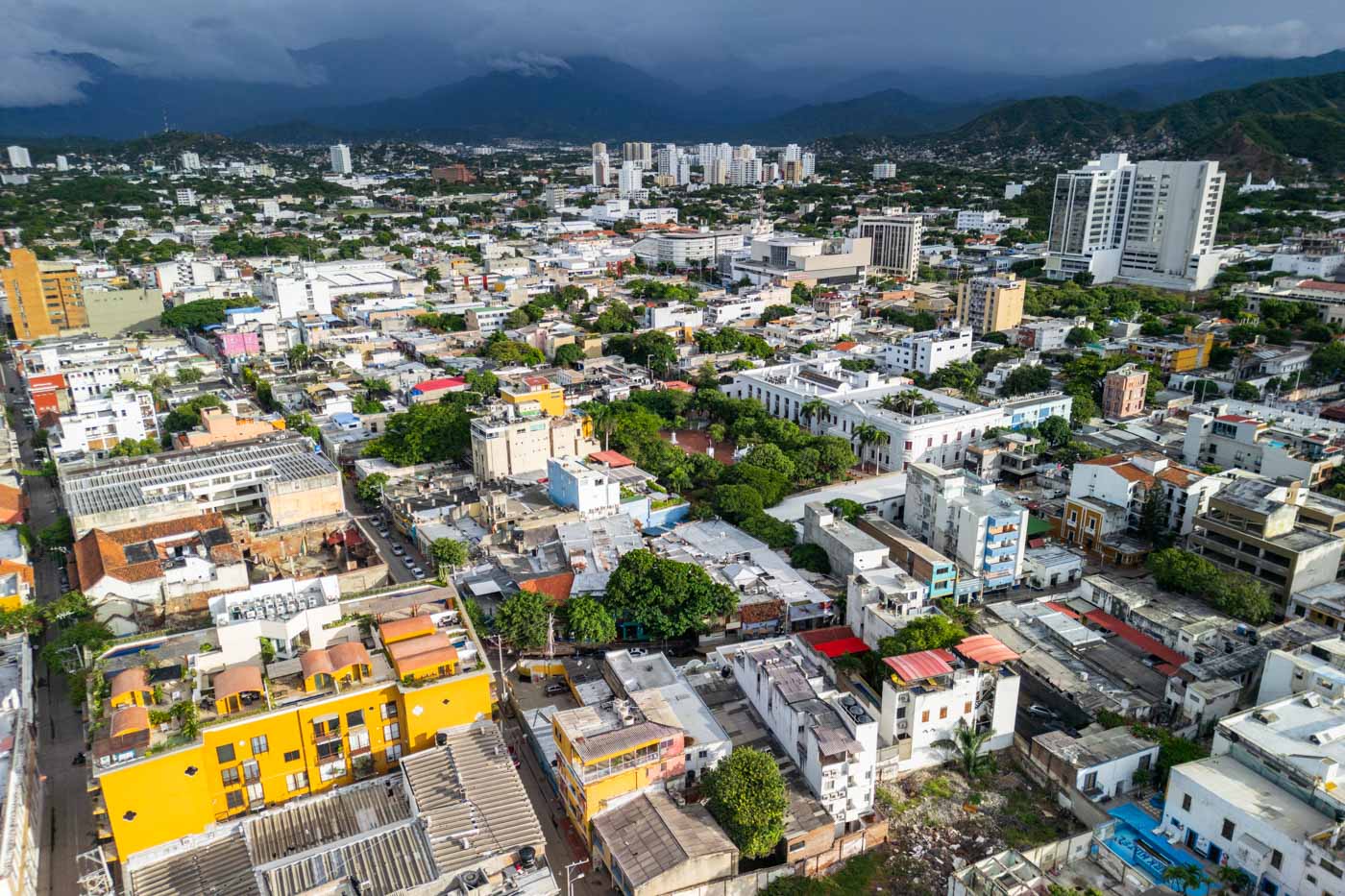
Now if you’re shocked by that information, so were we when we discovered this two weeks into our trip. At first we were apprehensive to drink tap water. We worked up to it slowly by using it to boil food first, then to make coffees and then to finally just drinking water straight from the tap.
Turns out, it’s perfectly safe… and it tastes good!
But there are some areas where you should still avoid the tap water. Namely in the north of Colombia along the Caribbean region as the water sources in these areas are not so pure. We, for example, were recommended by our host to not drink the tap water in our Airbnb in Santa Marta.
So maybe it’s worth just double checking that the area you’re in does have drinkable water!
13 personal safety tips for traveling Colombia in 2025
Before we jump into what healthcare is like in Colombia, we wanted to round out this rather large section about safety with a few tips!
1. Don’t carry large amounts of cash
On the rare chance that you might be a victim of pick-pocketing or a robbery, it would be wise to not carry around too much cash. You’ll be grateful to only lose $100 instead of $1000, that’s for sure.
Also it could be worth lowering the withdrawal and spending limits on your credit card or debit card just in case they are stolen.
2. Learn basic Spanish
Unlike a lot of other popular tourist destinations in the world, English isn’t generally spoken in Colombia. This skill is on really reserved for tour guides. Therefore basic Spanish is a must and may also be key to keeping you out of dodgy situations.
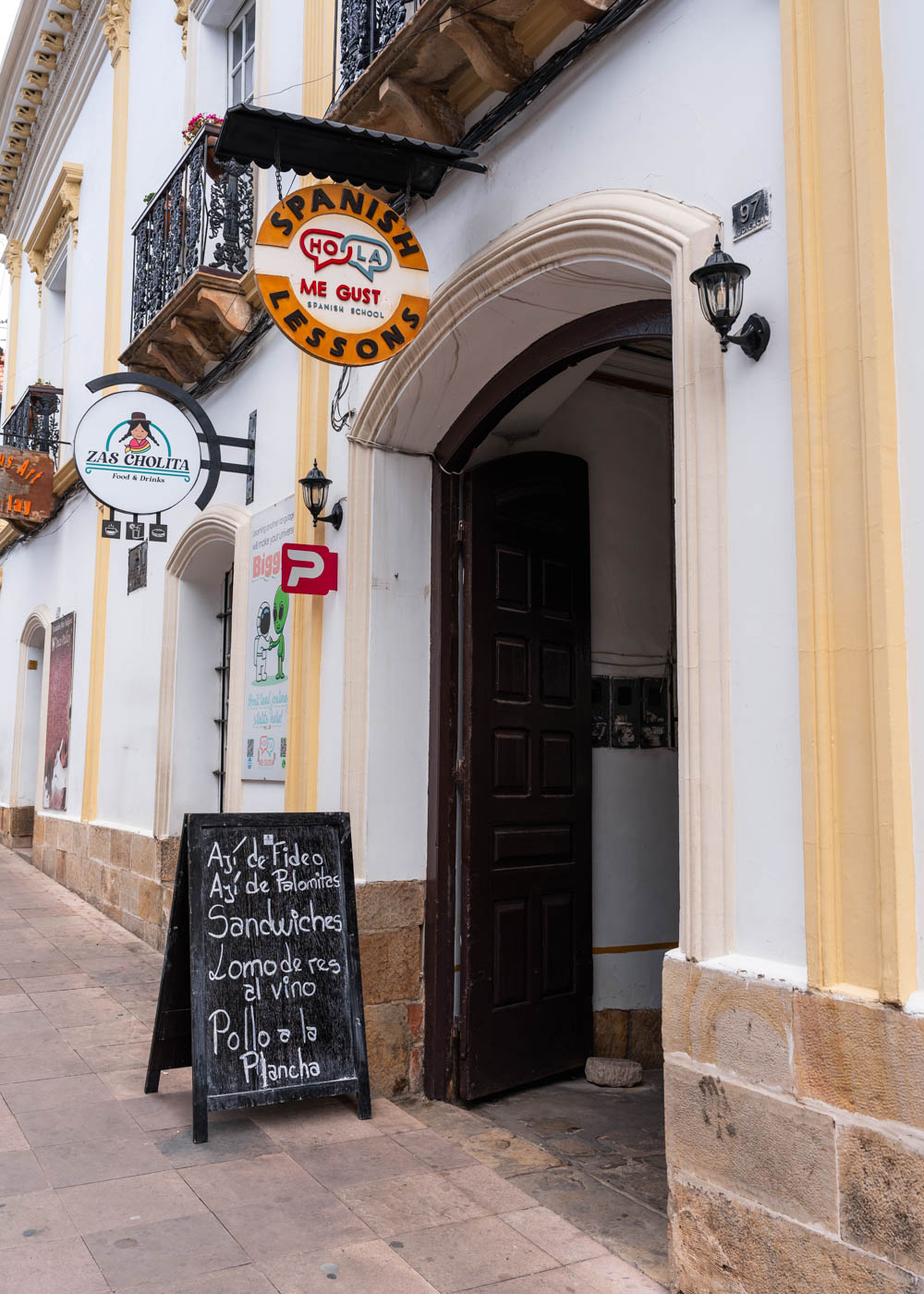
We actually studied at Elefun Spanish School in Medellin and it helped a lot!
3. Don’t flash your valuables
You’ll only be targeted by thieves if you make yourself an obvious target. While moving around the cities, try not to be looking at maps on your phone constantly. And also be careful about flashing wads of cash at a cash machine. When withdrawing cash, put it away fast and discretely.
Thieves weigh up the risk versus reward, and if they know you have $500 on you, the reward will outweigh the risk.
3. Don’t leave your drink unattended
This one goes for both you boys and you girls. There are plenty of drugs that could be slipped into your drink to put you into a ‘zombie-like’ state. This’ll make you the easiest target ever!
In a similar vein, never accept drinks, cigarettes or drugs from strangers.
4. Avoid walking around at night
This is especially true if you are alone. We actually walked around at night a lot around Laureles in Medellin, but this area is fairly safe and we were always in two. However instead of putting yourself in those situations, it might be best to call an Uber, they’re super cheap anyway.
5. More caution in cities
Crime is pretty well concentrated in the cities of Colombia. It’s best to do some research beforehand about the less savory areas to avoid.
For example, in Medellin we knew we would be safe in El Poblado, Laureles and most places in Comuna 13. But whenever we ventured into a new area, we always researched it first for safety.

6. Take drugs responsibly
Although it’s not our cup of tea, we are fully aware that a lot of people travel to Colombia to enjoy the cheap narcotics. Just be responsible and don’t go crazy otherwise you could end up in some shady situations.
7. Low cash withdrawals
Jumping quickly back to the cash machine subject, it might be best to withdraw small amounts of cash at a time. Only taking what you need will lower your potential as a target. Also avoiding withdrawing cash at night helps.
8. Decoys
Something I brought up to Sara as an idea that we never actually executed was to carry decoys. If you’re worried about being mugged, then have a decoy wallet with less money in it and a $40 decoy phone you can hand over to the assailant. Hopefully they’ll think they’re your real belongings and run off with them.
9. Leave your passport at home
Sara and I rarely carry our passports around on a daily basis, preferring to leave them in the safety of the Airbnb. However if you are a daily carrier, maybe opt for a photocopy of your passport instead.
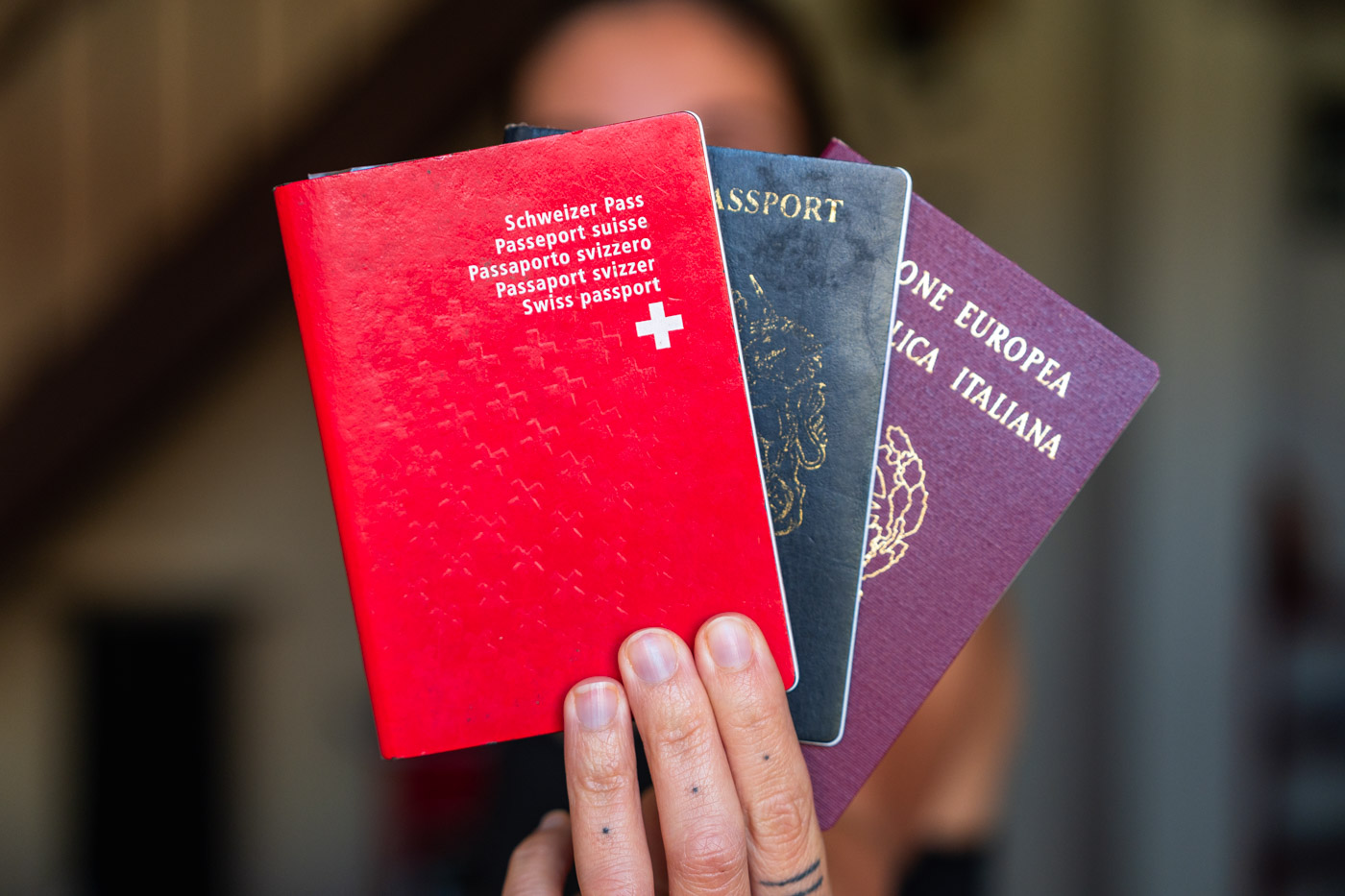
In this day and age, a lot of places that request your passport are happy with an image on your phone. This has worked for us so far!
10. Avoid sex tourism
Unfortunately Colombia is becoming popular for its sex tourism. We could see this all around El Poblado in Medellin specifically. It’s best to not get involved with prostitutes in Colombia as this could lead to a whole host of issues.
11. Monitor local media
Monitoring local media is a great way to spot a threat before it even reaches you. Keep checking for news on protests or demonstrations, if there’s any issues with drug lords or even if a landslide has blocked the road.
12. Check your home states travel advisories
All governmental sites will offer travel advisories for each country for its citizens. Make sure to take a look at your government’s website to make sure there’s not a red travel advisory on the areas you plan to visit.
13. Use common sense
If you’re a seasoned traveler like we are, you’ll have alarm bells ringing in your head in dodgy situations. But always stick to the same rules as you would for other countries.
Don’t act flashy or rich, always try to stick in groups, be aware of your surroundings and research the location and safety tips beforehand!
How is healthcare in Colombia?
Healthcare in Colombia, surprisingly to us, is actually rated one of the best healthcare systems in the world. A quick Google search shows that it actually outranks Canada, the United States and Australia!
Luckily, we never had to visit a doctor or hospital during our time in Colombia. However this does make this particular topic difficult to talk about from experience. Sara visited a dentist to get her retainer fixed and underwent a check-up and she said the experience was great!
But if you find yourself in need of a hospital, we highly recommend visiting one of the cities like Medellin or Bogota. Obviously there’s not always a choice in these situations and if an emergency strikes in the countryside, definitely research the clinic you plan to visit.
Diseases to be aware of in Colombia
Most of the diseases you need to be cautious of in Colombia are mosquito-borne diseases. You’ll find that a lot of areas are exempt from these due to the altitude, but it’s always best to be a bit careful.
Yellow fever
The first disease to watch out for in Colombia is yellow fever. It’s probably the most common and not the most pleasant to deal with.
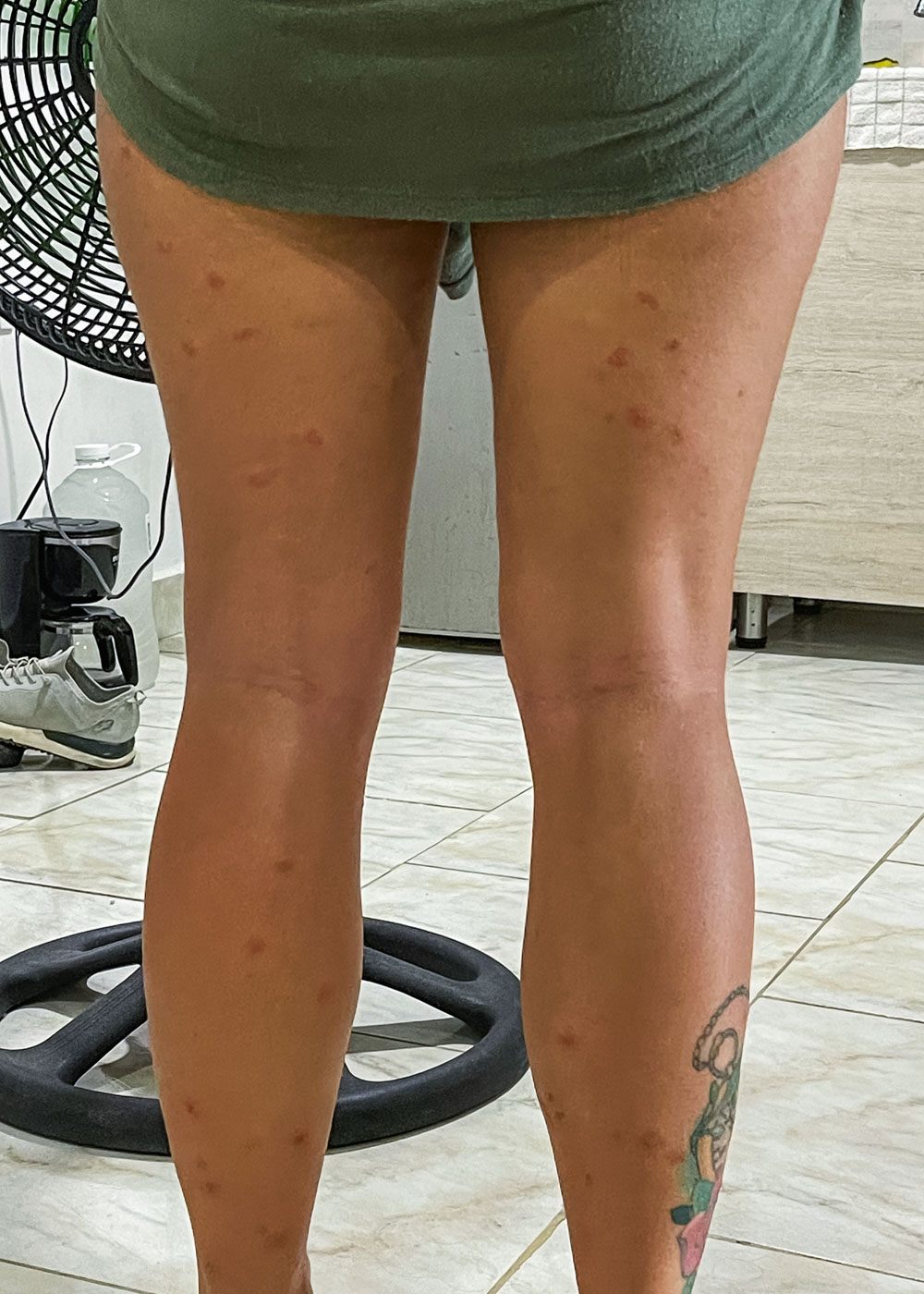
After we visited Tayrona National Park, between us Sara and I accumulated over 100 mosquito bites. Not long after Sara became super ill, nauseous and lethargic for about a week and self-diagnosed the issue to be a high possibility of yellow fever.
Make sure to wear crazy strong mosquito repellent!
Malaria
Malaria in Colombia is not as common as yellow fever, but you should still take similar precautions.
Actually, malaria seems to only be an issue below 800m so cities like Bogota and Medellin are meant to be safe from this disease.
But most people know what malaria is so we won’t go into too much detail!
Zika virus
Another mosquito carried infection, the Zika virus usually only results in mild symptoms among regular, healthy people. However, being infected during pregnancy could lead to birth defects in the baby.
Therefore we recommend avoiding Zika prone areas if you’re pregnant.
What vaccines do you need for Colombia?
As a British citizen I’m going to regurgitate the recommendations from the NHS. According to my semi-useful government and its international health department, you should think about:
- Updated flu vaccines
- Updated MMR vaccine
- Hepatitis A
- Hepatitis B
- Tetanus
- Diphtheria
- Rabies
- Typhoid
- Yellow fever
Bear in mind that we are not health professionals, but if we were to recommend any from our experience of traveling, consider Hep A, Tetanus, Rabies and yellow fever.
COVID-19 in Colombia
Even though COVID-19 seems to be far in the past, we know that there are still a few people that are concerned about the virus.
You’ll be pleased to know that Colombia showed a rapid response to the pandemic and has now vaccinated the majority of its population.
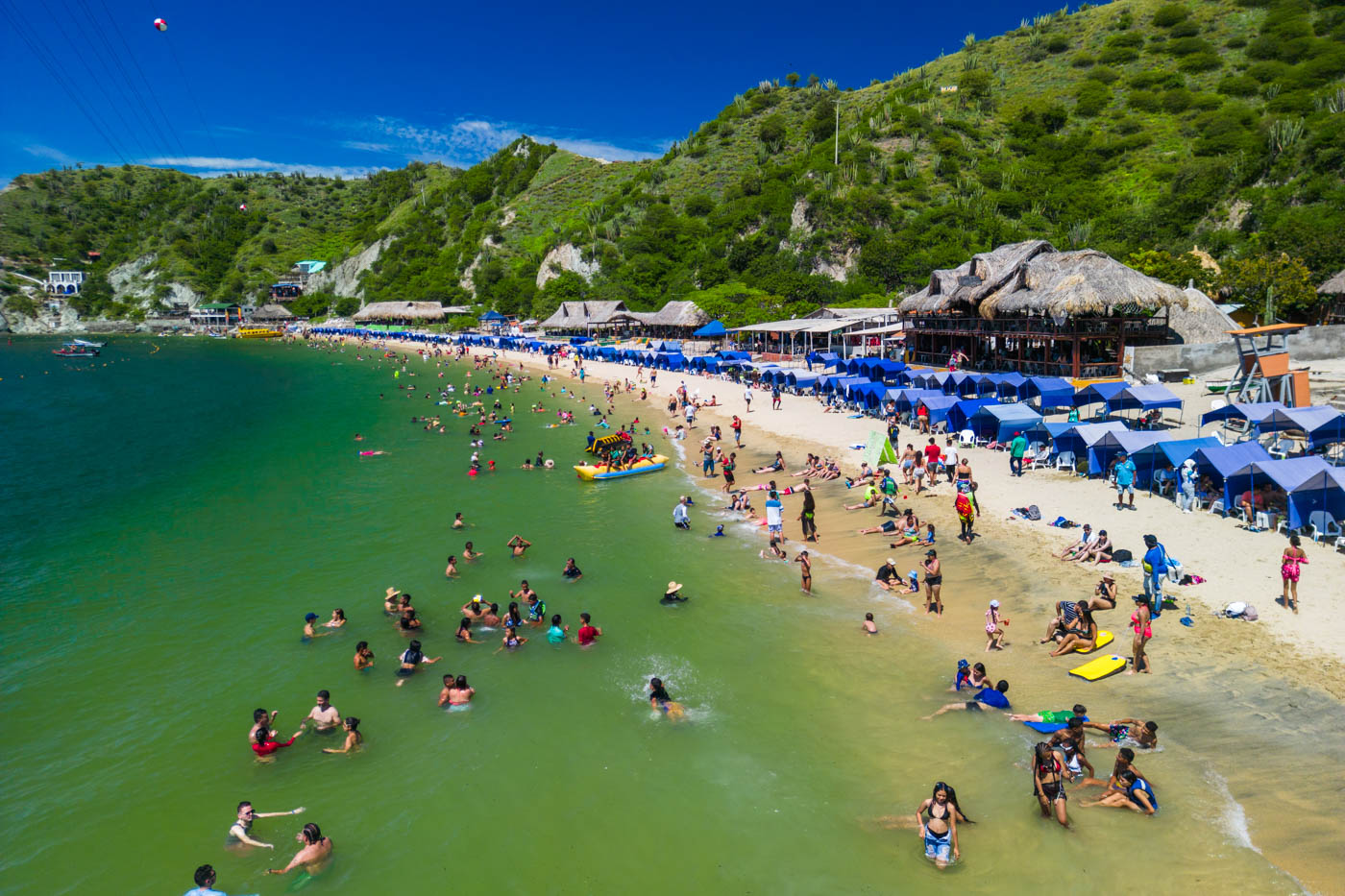
From our experience in Colombia, COVID basically doesn’t exist anymore. You don’t need a certificate of vaccination to enter the country, there’s no social distancing and no measures in place that you need to be aware of.
If you feel like you still need to wear a mask you can, but it’s not mandatory.
What’s the Colombian emergency number?
If you remember any number in Colombia, it should be the emergency number and you’re in luck, because it’s simply “123”.
If you are in need of the emergency services during your travels, calling “123” from any phone in Colombia will connect you with the police and other local authorities.
We hope that our guide covered everything you need to know about visiting safety in Colombia. We always strive to offer the most accurate and up-to-date information we can but if you think something we’ve said is wrong, please let us know!