Is Cusco safe to visit in 2025? Everything you need to know
With the stigma surrounding a lot of Latin America, is Cusco safe to visit in 2025? Sara and I spent over a month living and travelling in and around Cusco and we have a lot to stay on this topic.
Arriving in Cusco in December, we were based in the city over the holidays, one of the busiest periods of the year. We stayed with a local family on the outskirts of the historic centre and really tried to immerse ourselves in as much local culture as possible.
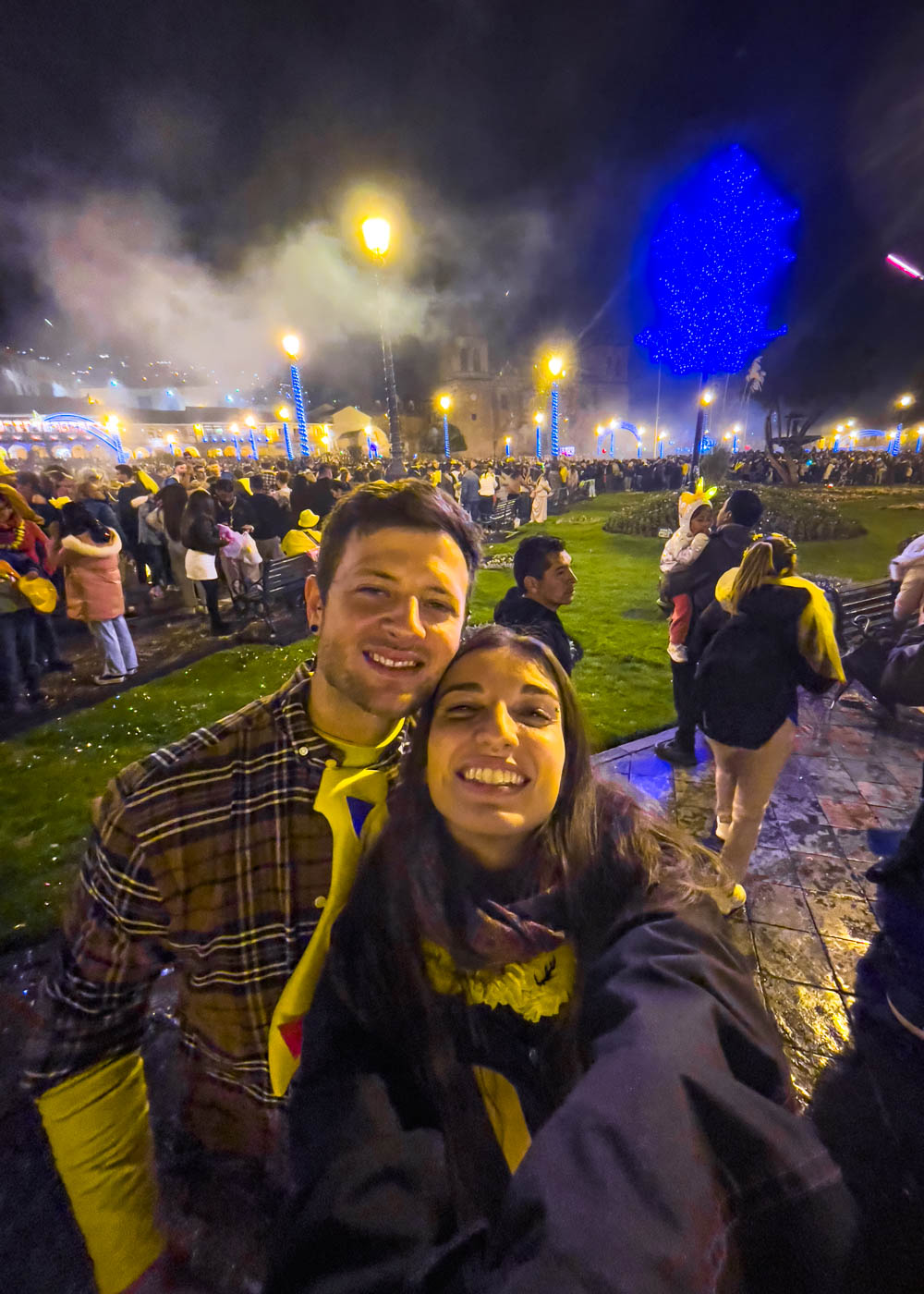
We like to think that we have a lot more experience than most when it comes to visiting Cusco. So we’re going to cover every nook and cranny of this topic so that we can alleviate your worries and prepare you to visit Cusco in 2025!
This post may contain affiliate links. Please read our Disclosure Policy.
Is Cusco safe for tourists to visit in 2025?
The quick and easy answer to this is yes, most definitely. During our time in Cusco we never encountered any crime… or any issue in general to be honest!
Now that’s not to say that nothing bad will happen. At the end of the day, Cusco is a tourist hotspot, and when there’s tourists there’s always criminal opportunity.
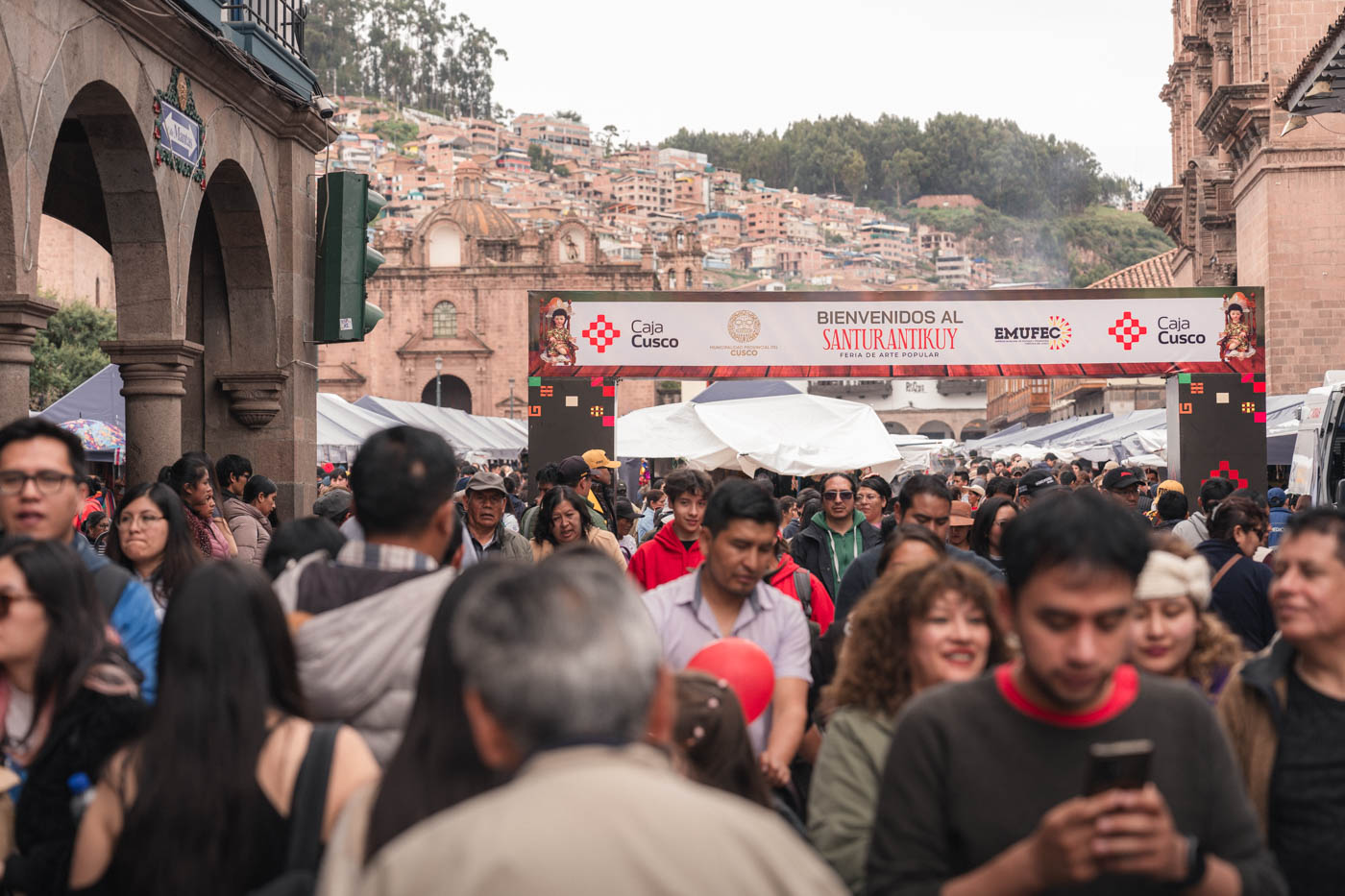
But in general, if you keep your wits about you and use common sense, you’ll have a perfectly safe trip in Cusco.
Our experience living and travelling around Cusco
Arriving in mid-December, we spent just over a month based in Cusco. During that time, Sara and I explored every inch of the city, visited Machu Picchu, ventured to the Sacred Valley and climbed the tall peaks of Palcoyo rainbow mountain.
Because of the time of year, we also were lucky enough to spend Christmas and New Year in Cusco with our Airbnb host. Fabricio and his family were so welcoming and allowed us to really experience the holidays like a local.
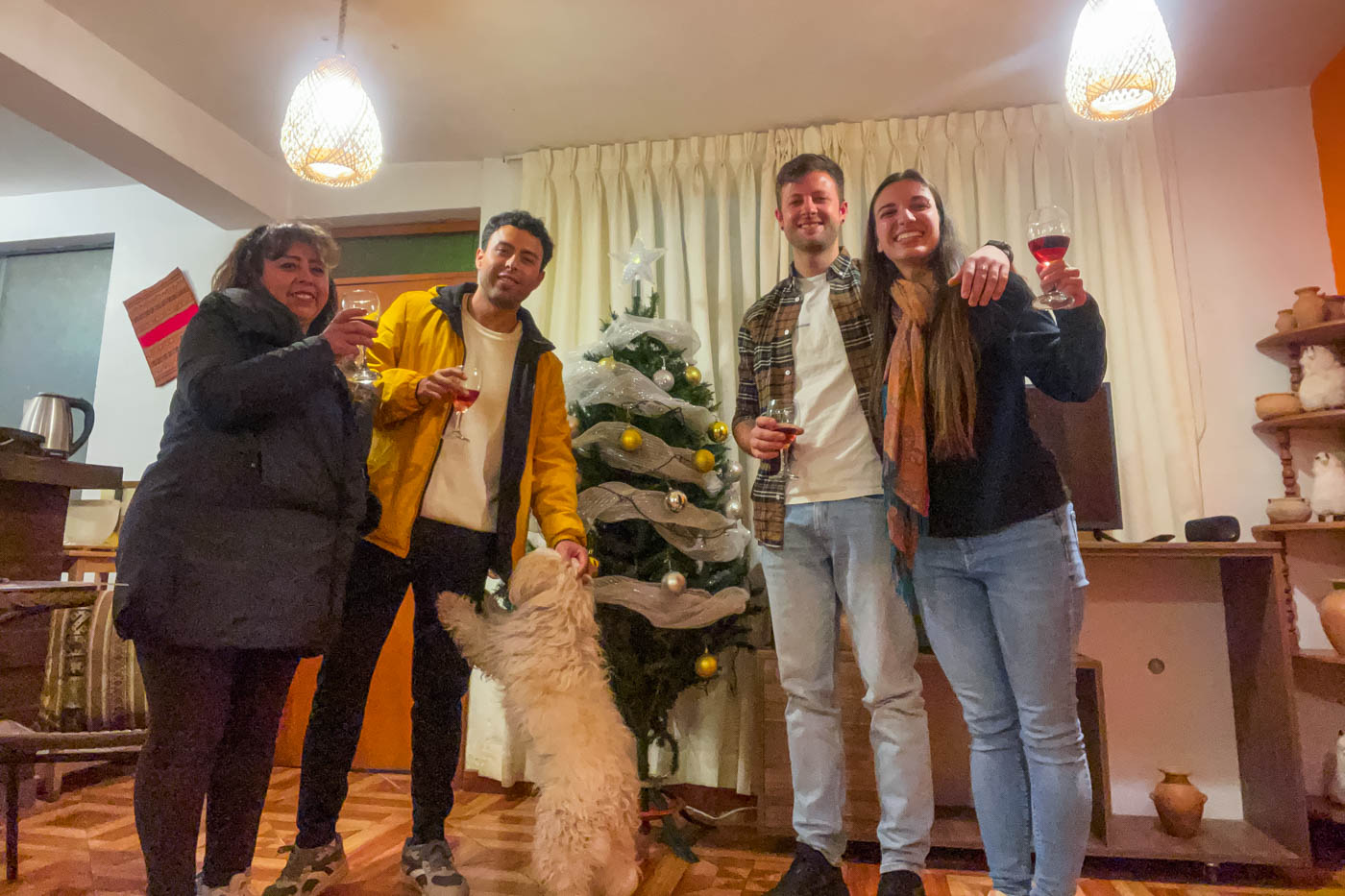
We really felt like we immersed ourselves in the local Peruvian culture in Cusco. We ate our way through town, tried to take part in all of the local cultural experiences and learned as much about the city as possible.
And during that time did we ever feel unsafe? Not once.
General safety tips for travelling Cusco
Just because nothing untoward happened to us in Cusco, doesn’t mean that bad things can’t happen. Even if you’re the most streetwise and cautious traveller, you can still be hit with a spate of bad luck.
But here are a few tips to minimise the chances of becoming a victim to crime:
- Be careful at ATMs – when withdrawing money, be sensible and don’t withdraw too much or flash your cash around.
- Carrying large amounts of cash – it’s best to just take as much cash as you’ll think you need that day, rather than walk around with big wads in your pocket.
- Use authorised travel services – there’s a reason the best travel services register for authorisation, so you know they won’t try to scam you.
- Don’t be flashy – if you’re the type to buy expensive things, maybe don’t go swinging around your brand new iPhone or wearing your $500 Gucci belt.
- Avoid certain areas at night – we’ll cover this in depth later, but some areas should be avoided at night just as a precaution.
How to prepare for your time in Cusco
So you’re planning a trip to Cusco? There are a few things that Sara and I did to help smooth out the travel process. We highly recommend that you do so too!
Learn basic Spanish
Like most areas we visited in Latin America, the level of English in Cusco is minimal. Apart from tour agencies, don’t expect much use from speaking English to people around the city.

Instead, make an effort to learn basic Spanish. We didn’t need to be fluent, but being able to order food, arrange transport and organise accommodation was a lifesaver for us.
Read up on the history of Peru
Peru has a long and interesting history. Even if you can just cover the basics then you’ll have a much better understanding of what’s going on around you when you visit Cusco.
At the very least, we read an overview on Wikipedia about the Inca Empire, the Spanish conquest and the subsequent Peruvian Republic. For example, knowing that Cusco was once the capital city of an entire empire makes exploring it 10x more interesting!
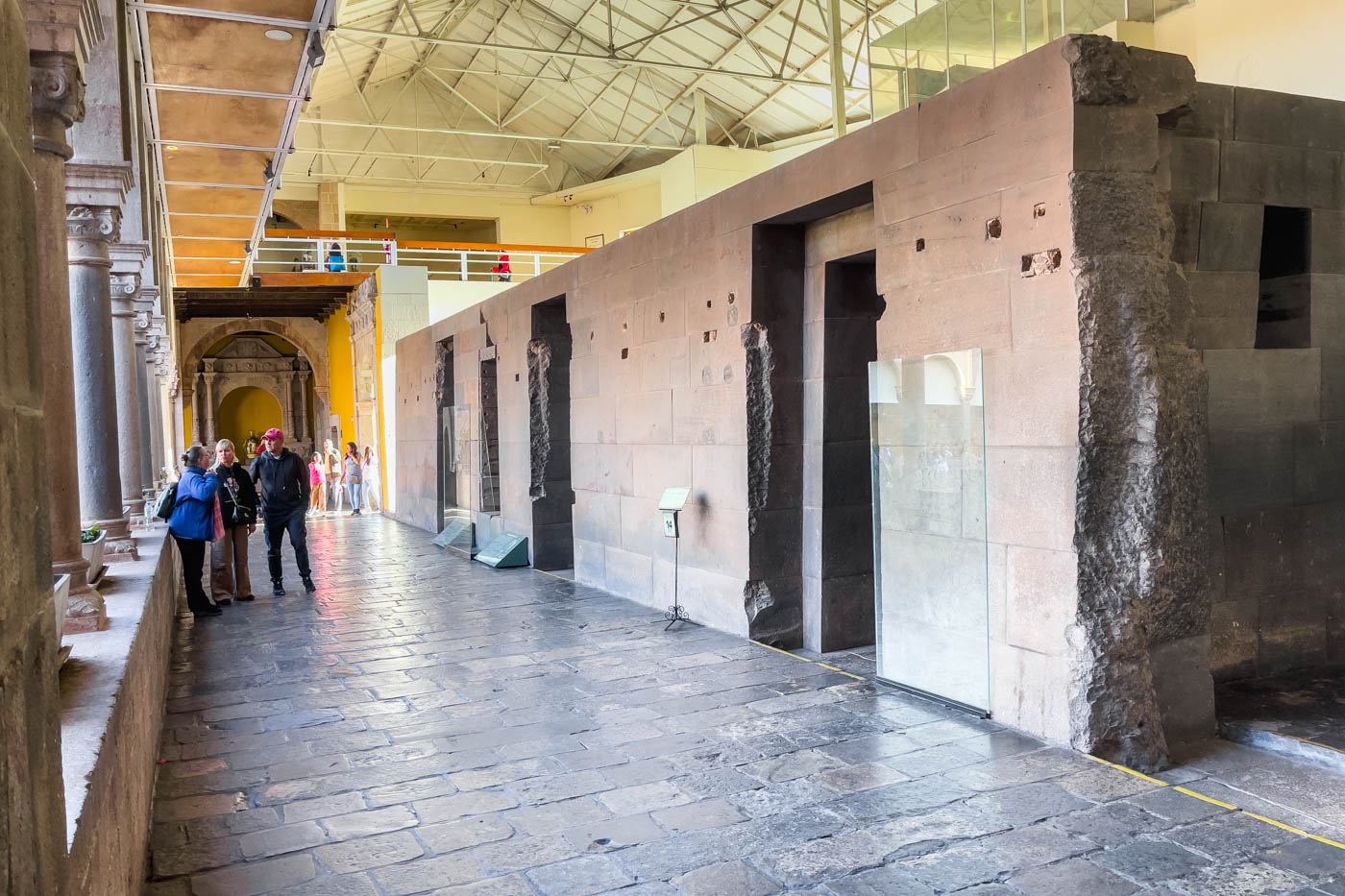
Take a FREE walking tour on arrival
Whenever Sara and I arrive in a new city, we ALWAYS book onto a walking tour. Over our extensive travels, we’ve realised that walking tours are the best way to learn about a new city. They’re usually free to book with the expectation of a small tip at the end.
Often our guide will cover the history of the country, the history of the city and any major cultural aspects we need to know about. As a bonus, we also learn the layout of the city so we can get around it ourselves.
One of our favourite worldwide walking tour companies is Guru Walk. We’ve booked with them on multiple occasions now and have never been disappointed!
Prepare to acclimate
At over 3,400m (11,150ft) above sea level, Cusco is one of the highest cities on the planet. As such, you need to be prepared to deal with the effects of altitude sickness.
Luckily for Sara and I, we both only experienced mild altitude sickness. Every now and then when we exerted a bit too much effort, we’d get a pounding headache and feel nauseous.

Therefore, we fully recommend planning at least two days at the beginning of your trip to acclimatise to the altitude. That’s if you’re coming from sea level of course!
Note: we go into a lot more detail about dealing with the effects of altitude sickness and how to prepare and drink coca tea to treat it in our Altitude Sickness in Cusco guide.
Get a reputable travel insurer
As with all international trips, you need to make sure that you have great travel insurance with a reputable country. You never know if or when you might need travel insurance. Sara caught yellow fever in Colombia from a mosquito bite!
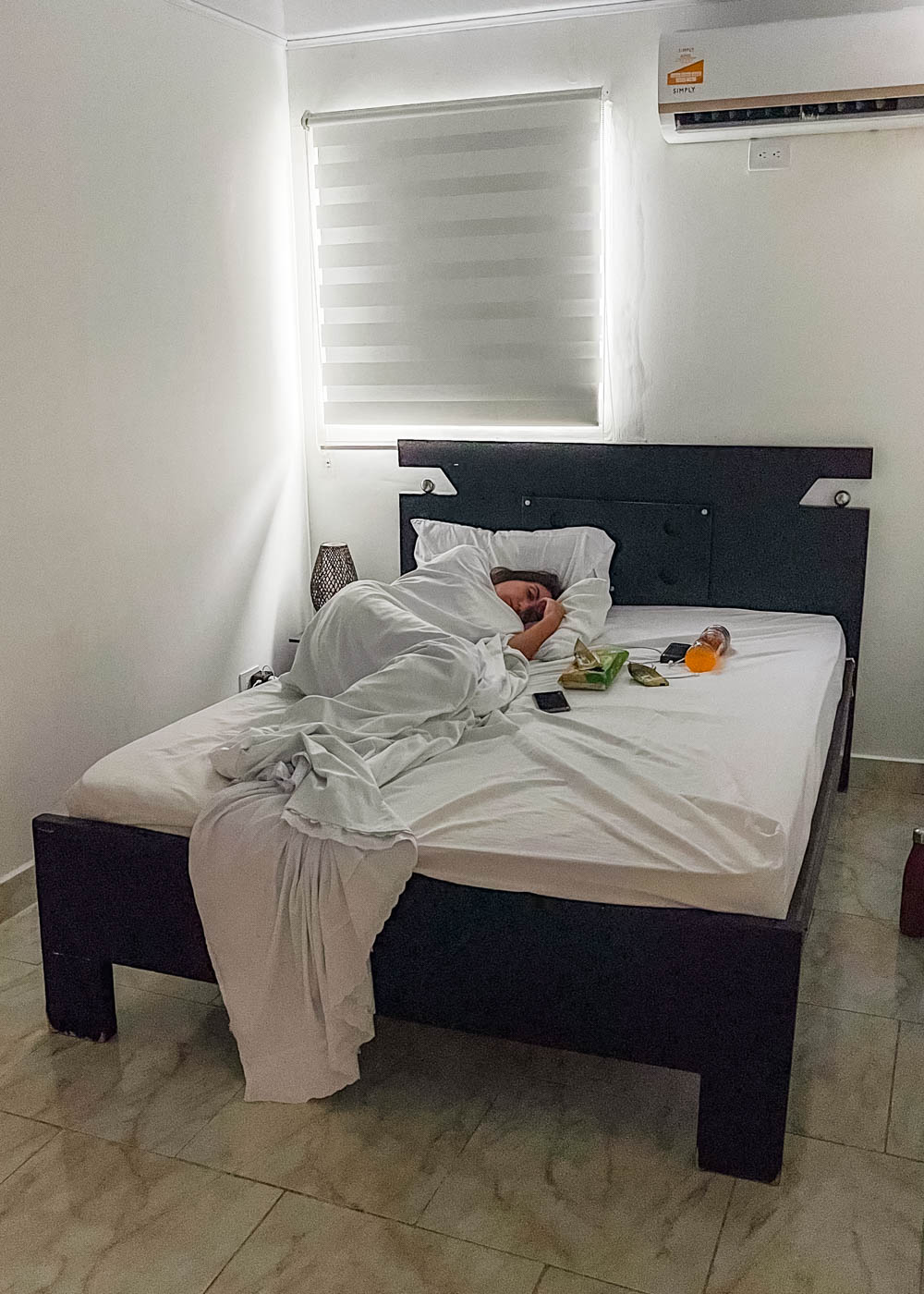
Sometimes the effects of altitude sickness are so bad you might need to seek the help of a doctor. Instead of paying out of pocket, you definitely want to claim back on insurance.
A quick break in this article to talk about best global travel and health insurance for nomads and travellers!
By far the best insurance option we’ve found as full-time traveling nomads is SafetyWing. We’ve been with them for over three years now, and honestly, they’ve been a lifesaver.
Their customer support is some of the best we’ve ever experienced, we can renew from anywhere in the world (no residency required), and the payout process has always been smooth and hassle-free.
SafetyWing offers various insurance plans depending on how much coverage you think you’ll need:
Essential Insurance
- Emergency medical needs while travelling
- Travel protection (delayed planes, lost luggage, etc.)
- $250,000 limit
- 30 day coverage in your home country
Complete Insurance
- Emergency and ongoing medical needs while travelling
- Travel protection+
- $1,500,000 limit
- Ongoing coverage for new conditions
- Indefinite coverage in your home country
- Health & dental check-ups
- Maternity coverage
What should you be cautious of in Cusco?
As with any tourist hotspot on the planet, petty crime definitely exists in Cusco. Therefore it pays for us to have a little bit of common sense when it comes to travelling here.
Here are a few things to keep in mind.
Opportunistic crime and petty theft
Opportunistic crime is when a criminal takes an open opportunity because it’s an easy, low risk reward. Think pickpocketing or scams. But the best thing that we can do as travellers is to not offer those opportunities and keep ourselves safeguarded.
For example, when walking around a new city, we are always hyper aware of what each area is like. For Sara and I, when we wander into a new area and get ‘bad vibes’, we always immediately remove ourselves from that area one way or another. These ‘bad vibes’ are hunches that you develop and begin to listen to the more you travel.
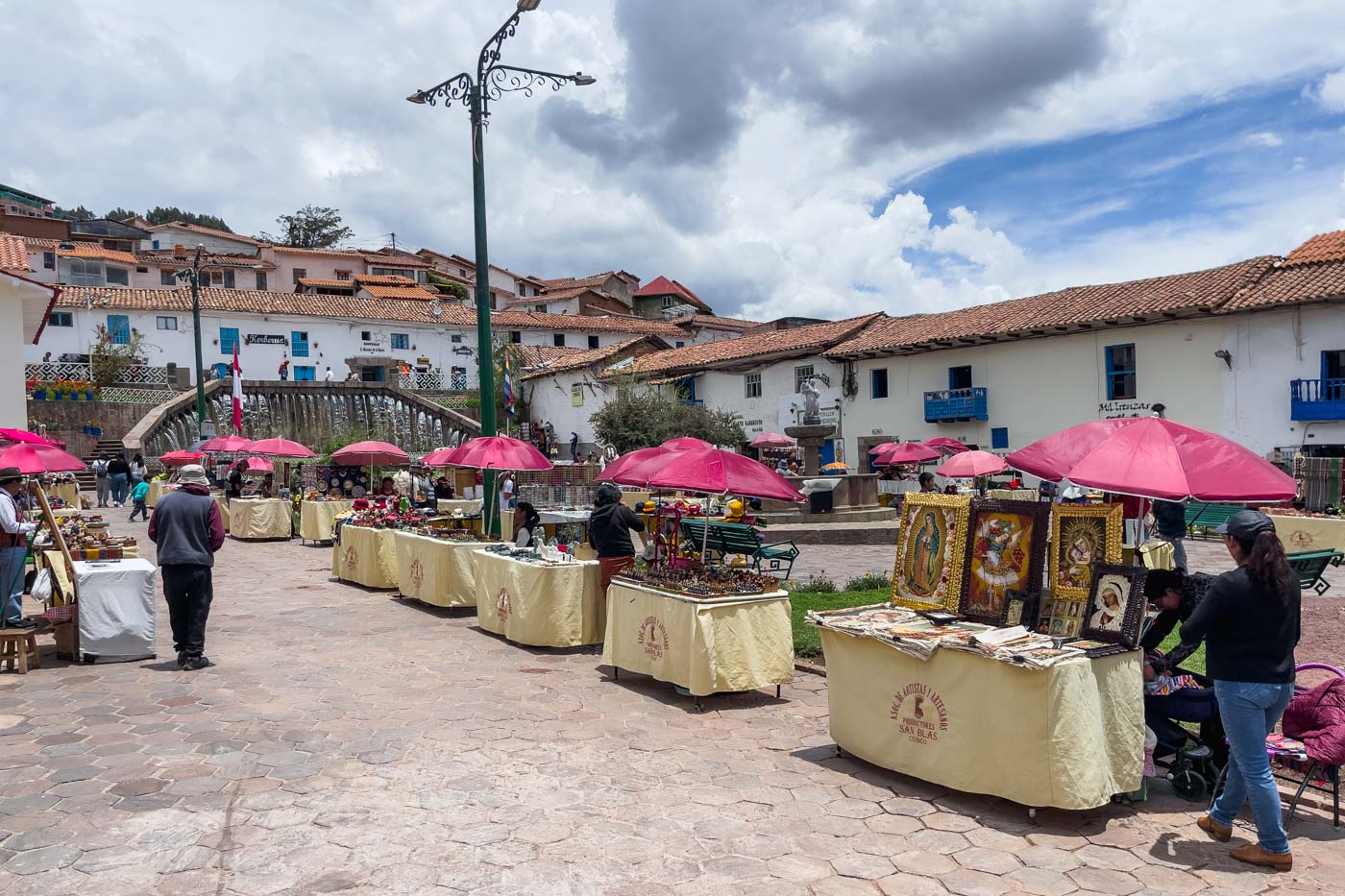
Another thing to remember is what we mentioned before: don’t be overly flashy. Be careful where you’re swinging money around, getting your phone out and wearing designer clothes.
In fact, we find it good practice to keep all our valuables in a bumbag or something. It’s just an extra layer of security.
Leaving your phone on the table while eating
One of the most common scams worldwide is to snatch someone’s phone from a table when they’re not concentrating. It happens in London, it happens in New York, it happens in Asia and it also happens in Cusco.
So we always try to remember that when we’re out eating or drinking, we always have our phones in our pockets or in a bumbag. And if you do leave it on the table and someone covers it with a piece of paper pretending to try and sell you something, they’re probably stealing your phone.
Leave your passport at home
There aren’t a lot of situations when you need your passport when travelling. Usually we only need it when we arrive at a hotel, try to join a gym or visit a hospital or doctor.
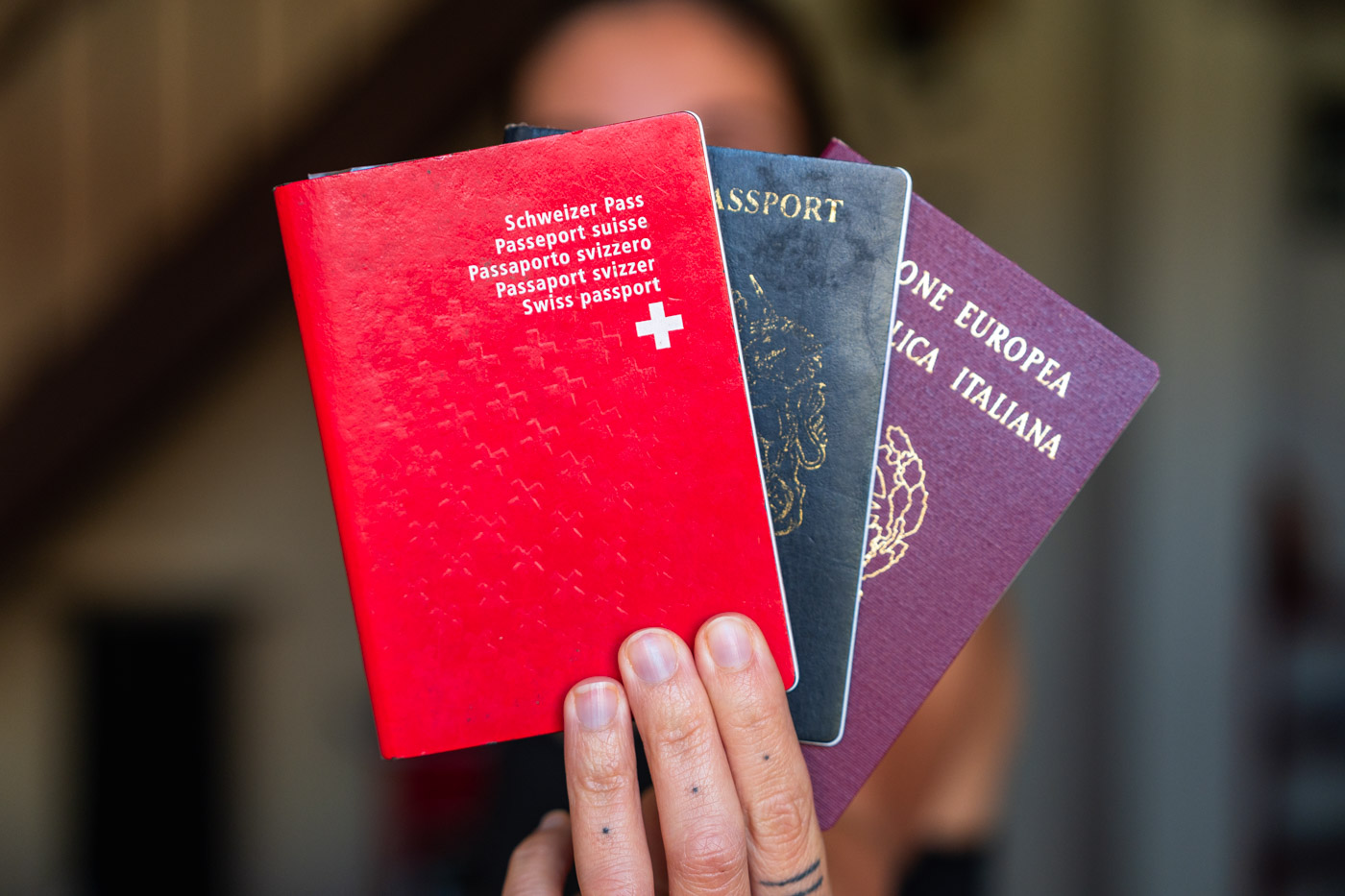
We find it much less anxiety-inducing to just leave our passports at home. A good practice is to take a picture of your passport on your phone. Most places that ask us for our passports when we didn’t have them, readily accepted the picture instead.
Be careful when drinking alcohol
Sara and I love a drink as much as the next person, but we’re always smart about it. If we go out to drink, we only take a small amount of cash and one bank card.
In addition, we keep it sensible. We always stay together and we don’t get black out drunk… or one of us gets black out drunk and the other doesn’t.
Then if the hotel is far away, we never walk back drunk. We always book a taxi and we never leave each other alone.

Avoid buying drugs
We shouldn’t have to warn people about the dangers of buying drugs in foreign countries. The reasons not to are endless; strict prison time, dodgy gear and gang members to name a few.
Cusco is no different. We highly recommend avoiding the drug scene in Cusco and Peru in general. Nothing good ever comes from illegal activities.
Take care in area outside of the historic centre of Cusco
When we first arrived in Cusco, the first thing we asked our Airbnb host was how safe the city is. His answer was that the historic centre is about as safe as it gets. But if we ventured beyond that, then we needed to be a lot more careful as we’d be entering gang territories.

Fabricio told us that overall, Cusco isn’t as dangerous as it used to be a couple of decades ago. But there are still areas that require an extra level of caution outside of the historic centre.
Are there any scams in Cusco?
Does a bear poop in the woods? There are scams everywhere in the world. So yes, there are scams in Cusco and we’re going to cover the main two that you need to be worried about.
The llama photo op scam
The first scam is one that we came across not only in Cusco, but also in smaller mountain villages in the Sacred valley too. It’s the llama or alpaca photo scam.
While exploring, we came across small groups of women or young girls walking around with an adult or baby llama. They’d ask us if we wanted to take a photo. If we accepted, they’d then ask us for money. Sometimes, if they deem it not enough money then they’ll follow people and hound them for more.

But the biggest scam in this scam (if that makes sense?) is that a lot of the baby alpacas or llamas are just lambs. Yup, baby sheep. And if you haven’t been around lambs before, you’d hardly know the difference.
To make this scam worse, llamas and alpacas haven’t evolved to walk on concrete. They are field animals. So being led around town in Cusco over concrete streets and cobblestones is TERRIBLE for the animals. In fact, the local government actually petitioned to stop this over the welfare of the animals. But it hasn’t worked.
Organised begging
Giving a couple of dollars to the street beggar sounds like a right thing to do right? I mean, we see them and they look down on their luck, dirty and hungry. It only makes sense to offer them the change we don’t need.
Well actually in Cusco there are criminal gangs that run begging scams across the city. The $2 we might give to the homeless guy actually goes straight into the pocket of the gangs. We’ve seen organised begging like in Bali and India too. In fact, sometimes the gangs will intentionally harm a homeless person to make us feel even more sorry for them.
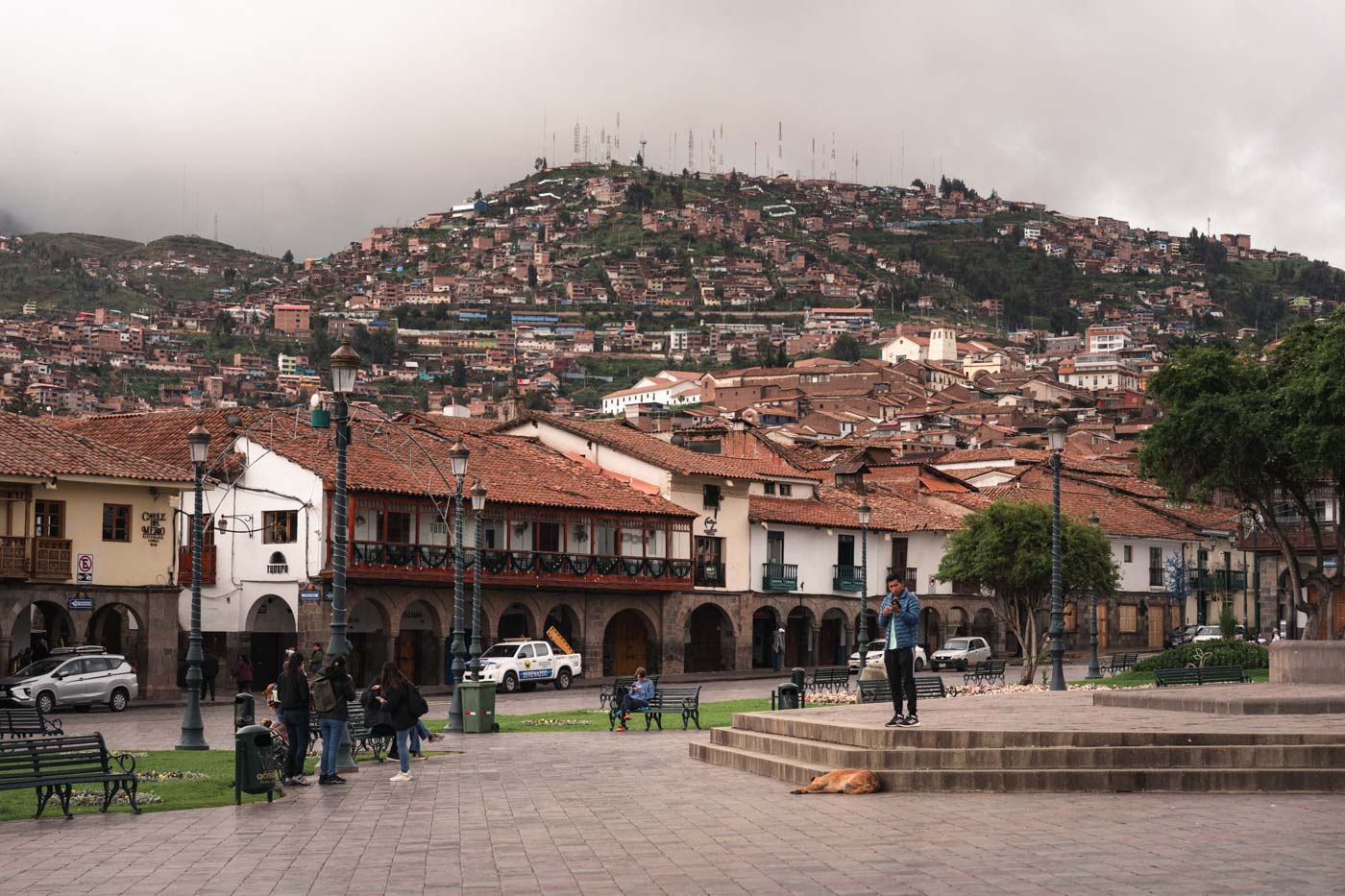
Obviously this isn’t always the case. The person could genuinely just be a homeless dude. But the thing is we don’t know, so it’s best to avoid indirectly funding organised crime.
Food safety in Cusco
Peru’s food and hygiene standards sit quite a bit lower than places like the US or Europe. Therefore we always remained cautious of the places that we would eat, and what we would eat.
Here’s some tricks we used to help us avoid food poisoning or other illnesses.
Can you drink the tap water in Cusco?
No, the tap water in Cusco isn’t drinkable. Unfortunately, the water in Peru doesn’t go through the same filtration and cleaning processes as it does back home. So Sara and I always stuck to buying bottled water from the shop for drinking and cooking.
Also, be careful about swallowing water in the bath or the shower. But we found that brushing our teeth with tap water was okay, we just made sure to spit it all out properly.
Be wary of street food and local restaurants
Something Sara and I always love doing is finding the little hole-in-the-wall local restaurants. It’s here that we know we’ll get to try the most authentic food from different cities.
However, we always make sure to scout out the restaurant before we decide to eat there. If we can see the kitchen, how clean is it? How clean is the eating area? Do you staff seem to be washing their hands?

We’ve been travelling for over six years now, so our stomachs have become somewhat accustomed to more dingier street food establishments. But if you’ve not been to South America or Asia before, then take it slow and ease your way into it!
Avoid salads in restaurants
A slight addition to avoiding tap water is to avoid eating salads in restaurants. The cooks tend to wash the salad with tap water, which again you should be avoiding.
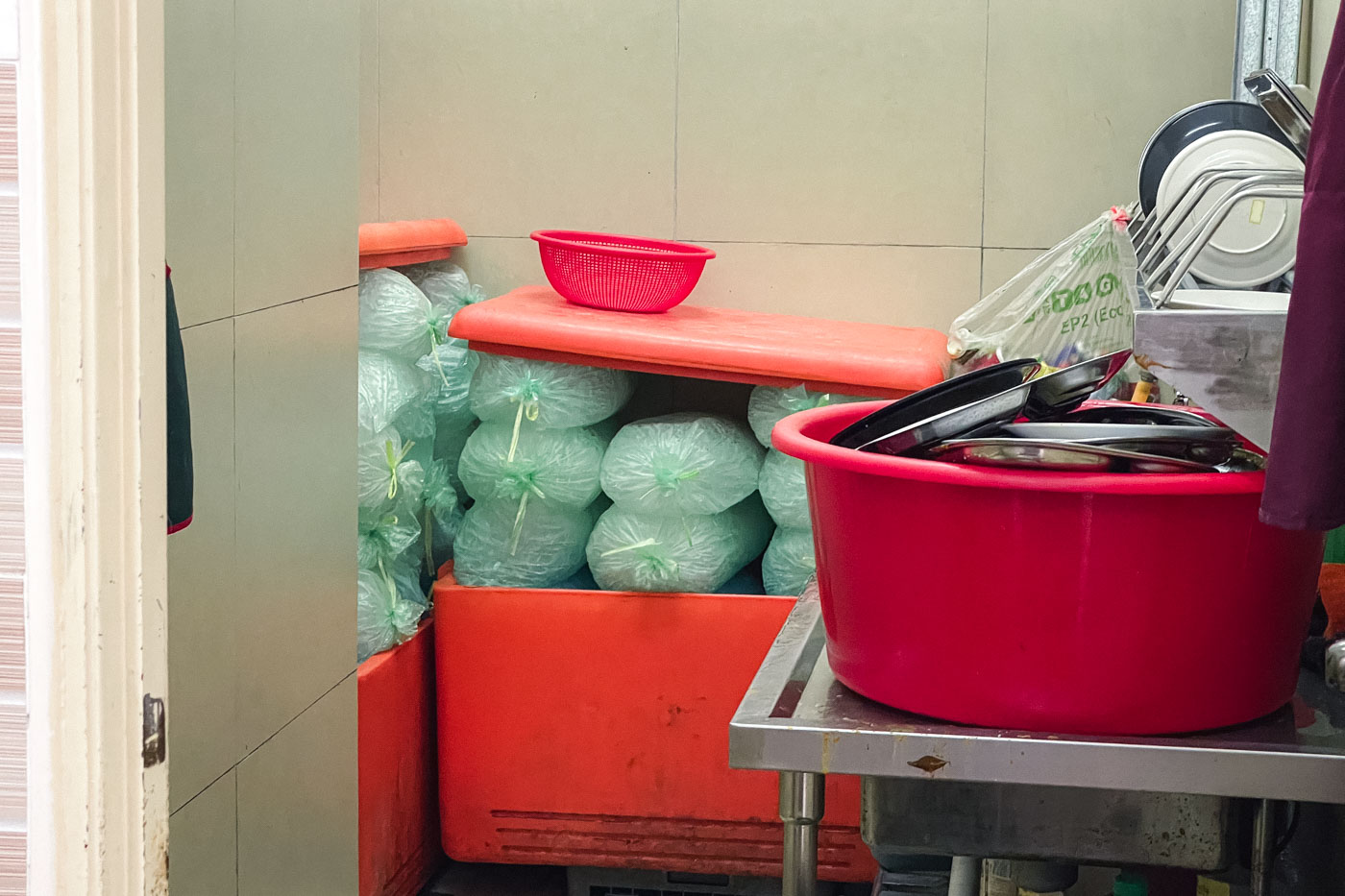
This is something that people don’t think about too often! Oh, and ice in drinks is fine. Ice gets delivered to restaurants from companies that freeze filtered water. In six years of travel, we’ve never had an issue with having ice in our drinks!
How to get around Cusco safely
The historic centre of Cusco is actually super walkable. So we personally walked to most places. But when we needed to head a bit further out (or we felt lazy) we pretty much always used a taxi.
Local taxis
We could find taxis pretty much on every street in Cusco. And if we couldn’t see one, heading to a popular spot like Plaza de Armas was the best way to go – there were always taxis there.
Taxis in Peru are required to be registered. Once they are, they need to display that registration sticker in the front window. We also noticed that registered taxis also need to have their licence plate number written on the inside and outside of the back window.

We found that short city journeys during the day tend to run about 3 to 4 soles, and after 9pm rise to about 4-5 soles.
Tips for using the taxis in Cusco
If you’re planning to use the local taxi network, here are a few of our top tips:
- Only use registered taxis – this is obvious but unregistered taxis are the ones that are more likely to be dangerous and expensive.
- Keep an eye on your bags & belongings – jumping in registered taxis is safe, but it doesn’t hurt to keep your valuables close.
- Try to travel in groups – if you can, try to travel in groups of two or more for safety.
- Agree on a price before starting the trip – don’t wait until the trip is over to find out the price, because you have lost your negotiation power by that point and the driver may try to rip you off.
- Prepare for poor driving quality – Peru isn’t known for it’s high quality of driving and road safety, so be aware.
- There are always other options – if a taxi looks a tad dodgy, then pick a different one. Remember, always follow those hunches!
Is there Uber in Cusco?
Yes, there is Uber in Cusco. In fact, it makes the entire process of catching a taxi around the city so much easier.
We pretty much only ordered Ubers. This way we were protected by the app, we knew the price without having to negotiate and we could call a taxi to us anywhere in the city.
Colectivo buses
There is a bus system in Cusco but it’s kind of complicated. Around Latin America we found these colectivo bus systems in most cities. While we never actually took one in Cusco because most things are walking distance, we did use them in Colombia and Bolivia.

Essentially, these are hop on hop off buses that run the same route. You jump on, pay a fixed price which is usually around $0.20, and get off where you need to.
It’s a great budget option to get around the city if you can figure the routes out!
All about medical care in Cusco
Just in case we needed to visit a doctor or hospital in Peru, we always research healthcare. Actually, I did need to visit a doctor in Lima and the entire process was super easy.
But what is the healthcare system really like?
How is healthcare in Peru?
In terms of accessibility, 99% of Peruvians have access to health insurance. But there are often issues with waiting times and, sometimes, location.
In general, healthcare in Lima is pretty decent. I visited a doctor due to a pain in my side and within a day I had seen a doctor, been sent for blood tests, an x-ray and an ultrasound, and had the results. All of the measly cost of around $180… well measly compared to US prices.
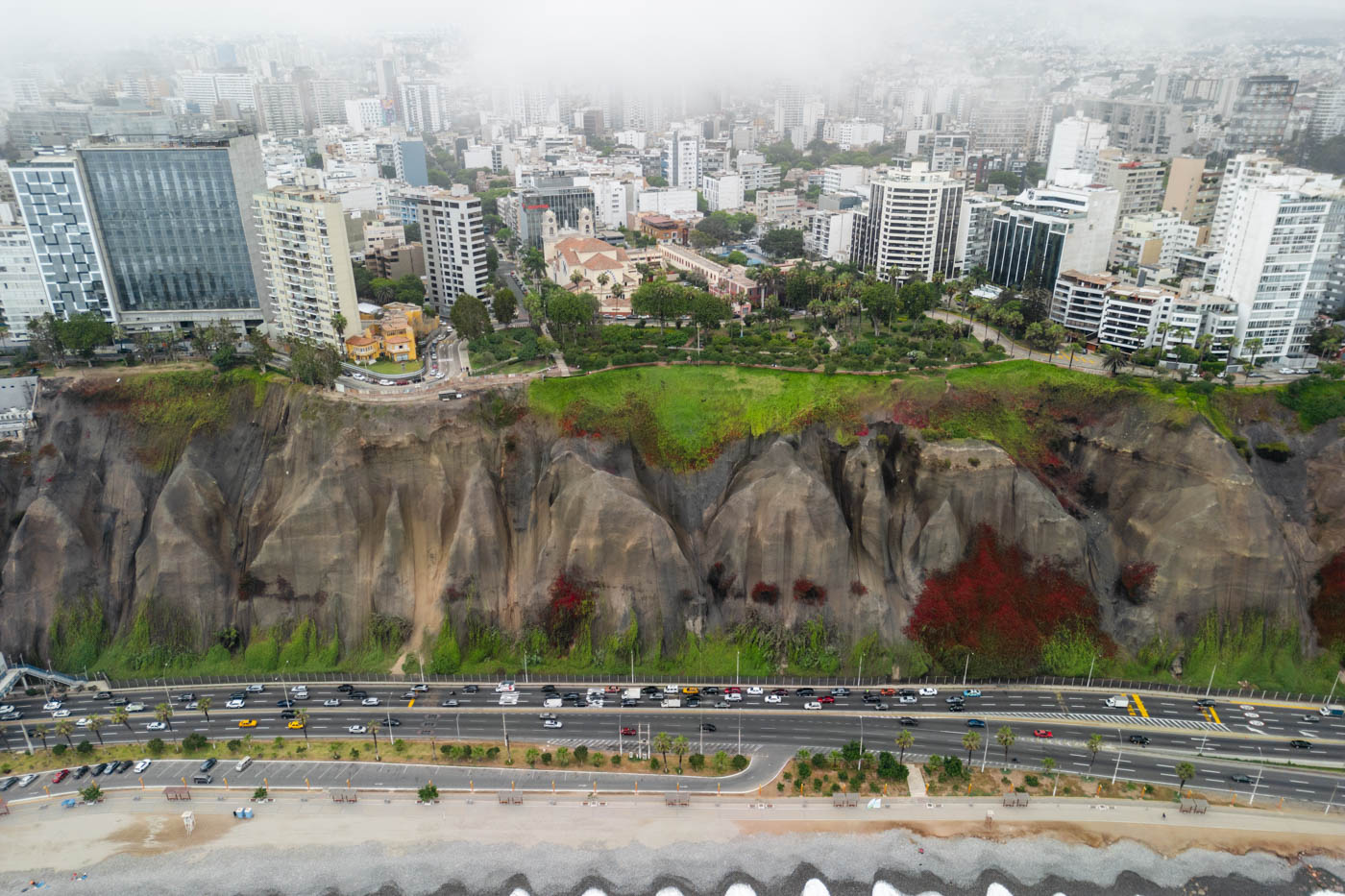
And don’t worry, I was fine!
Being a major city in Peru, Cusco’s healthcare is better than a lot of other areas in the country. But it’s still technically a ‘remote mountain city’. So don’t expect the same level of healthcare as Lima, and certainly not like the US or UK.
Where are the hospitals in Cusco?
To avoid long wait times and possible overcrowding, and generally get better care, then consider the private hospitals first. For Sara and I, if we have any issues in a lower economic country, we always want to make sure we find the best care we can get.
In the low chance that you need to see a doctor, here are 3 private clinics in Cusco:
What is the emergency number in Cusco?
We found that there are actually 3 emergency numbers in Peru, which is kind of confusing…
Anyway, they are:
- 116 – for the fire department.
- 117 – for an ambulance.
- 105 – for the police.
The infrastructure in Peru isn’t the best for these things though. So if we ever found ourselves with a medical emergency but we could still travel, we’d always opt to make our way to hospital by taxi.
Obviously for life threatening emergencies we would still call an ambulance.
How to find a pharmacy in Cusco?
There are pharmacies all over the city. Seriously, it was actually difficult for us not to walk past a pharmacy on a daily basis.
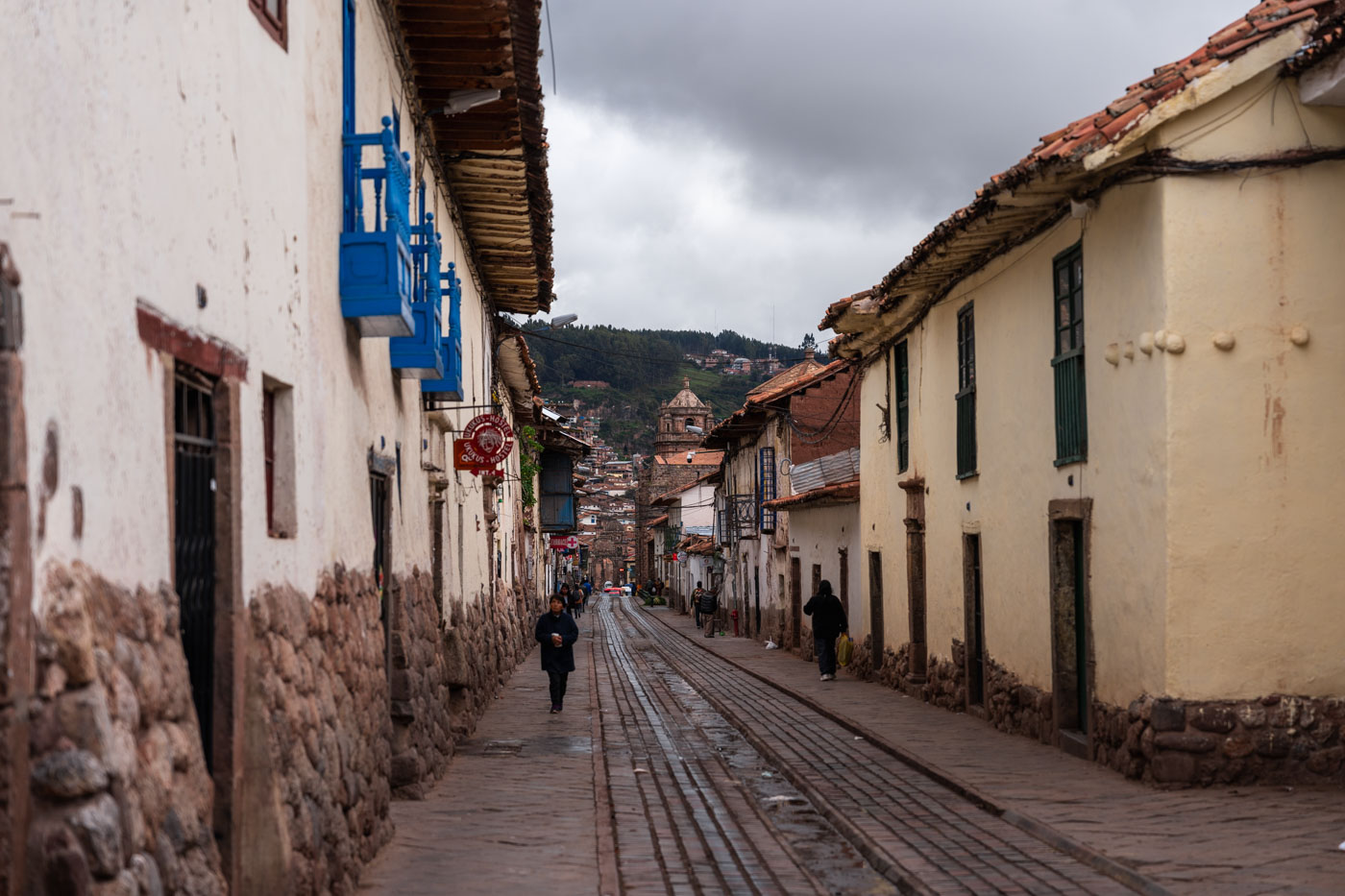
If you’re looking for over the counter stuff (and over the counter stuff is way more flexible in a countries like Peru) then you’ll have no issues. We personally prefer chain pharmacies if we can find them, like MiFarma, which can be found everywhere.
For prescription based drugs, the best bet is to head to a pharmacy at a hospital or clinic.
Which vaccines do you need for Cusco?
I want to start off by saying that we are not licensed medical professionals. I’m just regurgitating what I find on the NHS website.
The two main travel vaccines we made sure to get were Hepatitis A and Tetanus. Both of which tend to be needed for most other countries too.
But generally, there aren’t many diseases to worry about in Peru. If you’re moving around Latin America then we strongly suggest a yellow fever vaccine. We didn’t get one, but if we had, then Sara might not have spent a week dying in bed with a fever in Colombia.
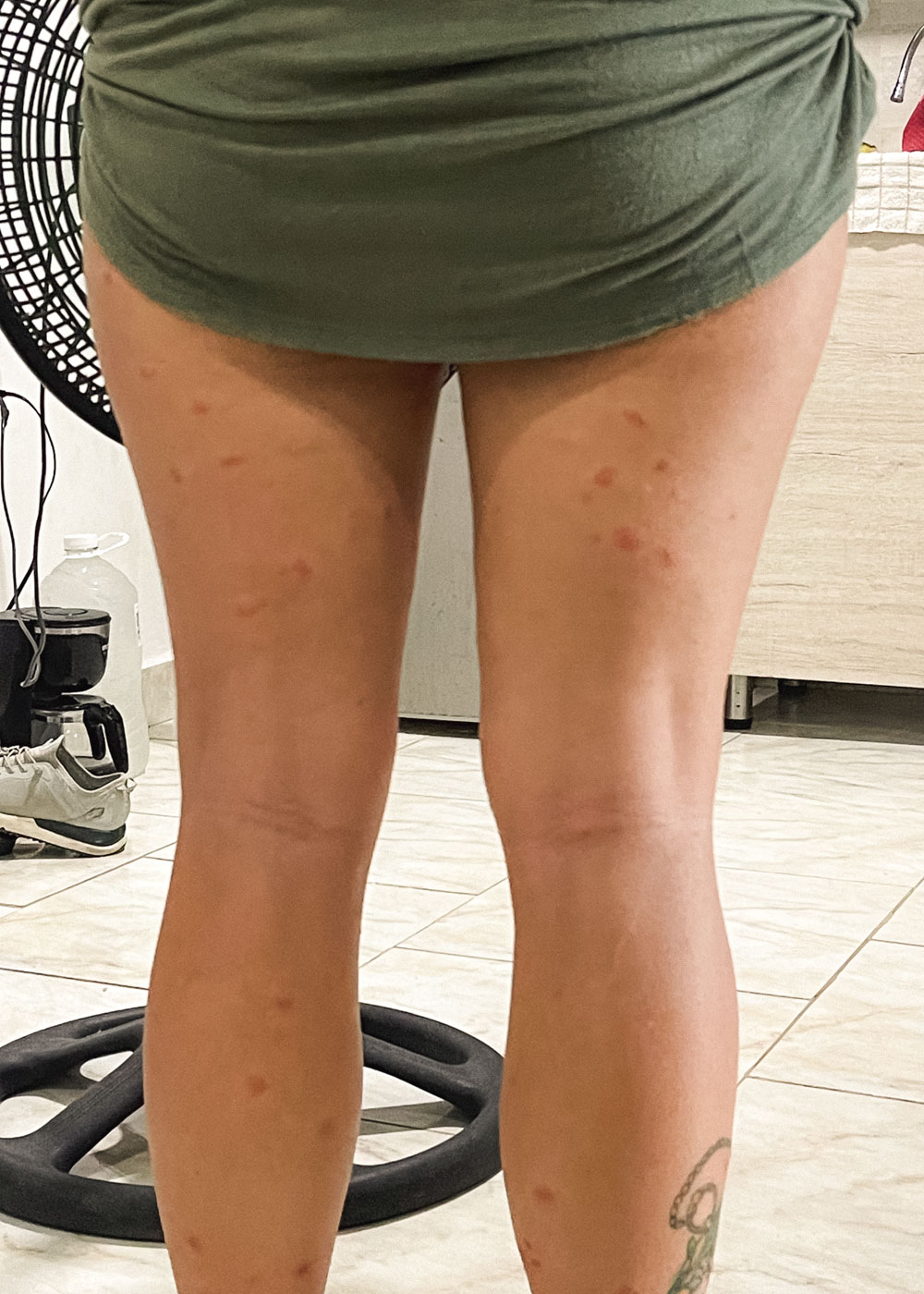
Then there’s the standard travel vaccines; Hepatitis B for sexual encounters, Rabies just in case of street dog bites and Diphtheria for contaminated water.
COVID-19 in Cusco
From our experience, the idea of COVID in Peru is pretty much non-existent. There are still the faded “wear a mask” and “wash your hands” signs around, but I think they’re just left up from the pandemic.
At this time, there’s almost nobody wearing masks in Peru. Except maybe in hospitals and clinics, but even then I don’t remember having to wear one in Lima.
In terms of entering Peru, there are no restrictions around COVID-19. It’s travel as usual!
Making safe accommodation decisions in Cusco
To make sure that you’re staying in a safe area of Cusco, we generally recommend sticking around the historic centre. Either base up as close to Plaza de Armas as possible, or head up into the super safe neighbourhood of San Blas.
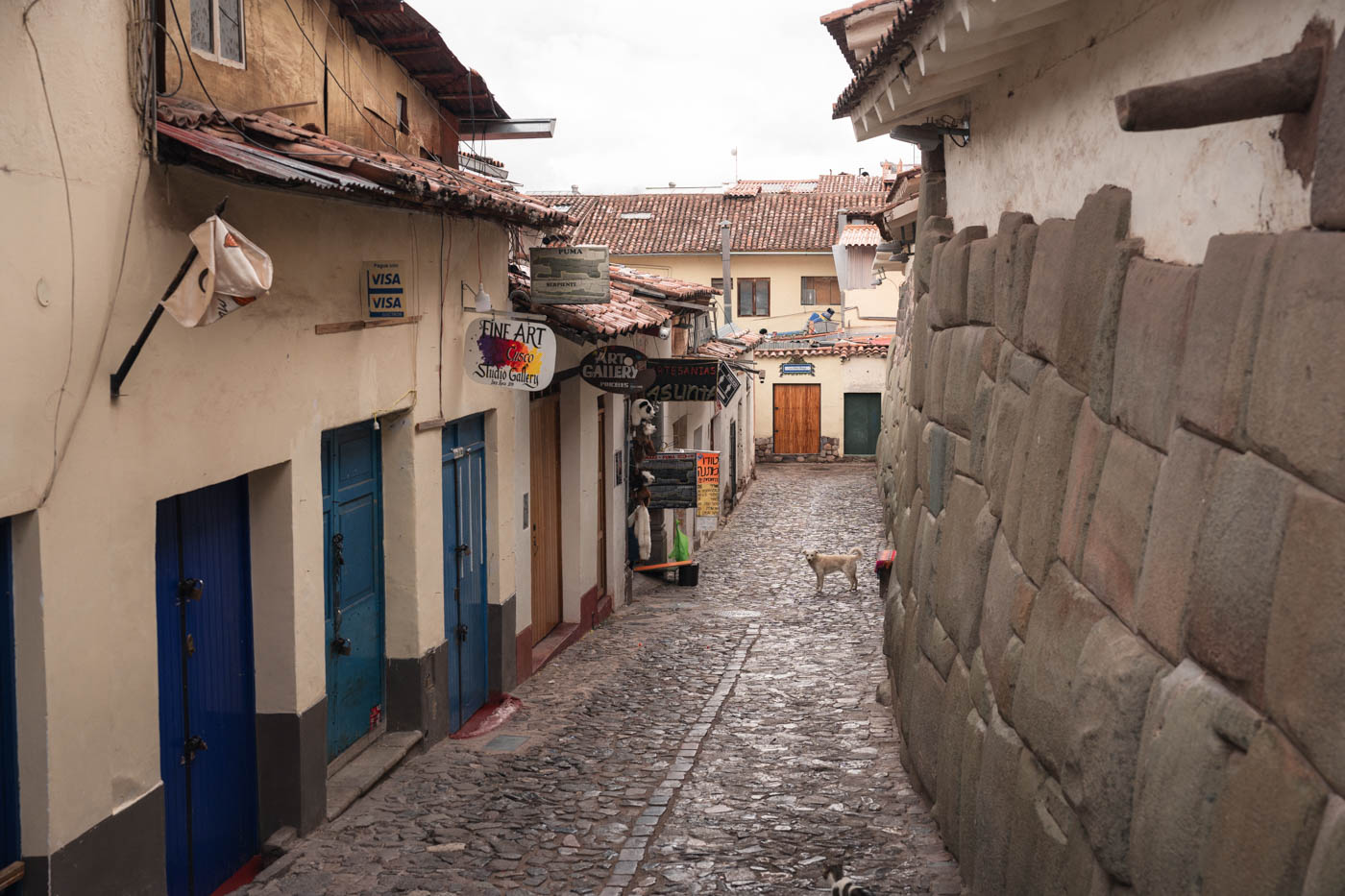
We personally booked an Airbnb right on the southern edge of the historic centre and never encountered any issues.
Here are some great accommodation options:
Best budget hostels:
- Wild Rover Cusco ($7-15/night) ← Cusco’s party hostel.
- Viajero Kokopelli Hostel Cusco ($15-40/night)
- Cusco Rock Hostel ($16.50/night)
Best budget hotels:
- Eco Bunnu Inn ($23/night)
- Cochito Cusco ($28/night)
- Andean Valley Hotel ($26/night)
Mid-range hotels:
- Amaru Colonial ($57/night)
- Casa Montes San Blas ($49/night)
- Hotel Hacienda Cusco Centro Historico ($56/night)
Top luxury hotels:
- Union Hotel Cusco ($100/night)
- Auka Boutique San Blas ($74/night)
- Anahuarque Hotel Boutique ($72/night)
How to stay safe on tours in and around Cusco
Planning on booking a tour from Cusco city? We visited Machu Picchu, took a day tour to the Sacred Valley and climbed up Palcoyo rainbow mountain. We’ll leave links to all of the day tours we took below.
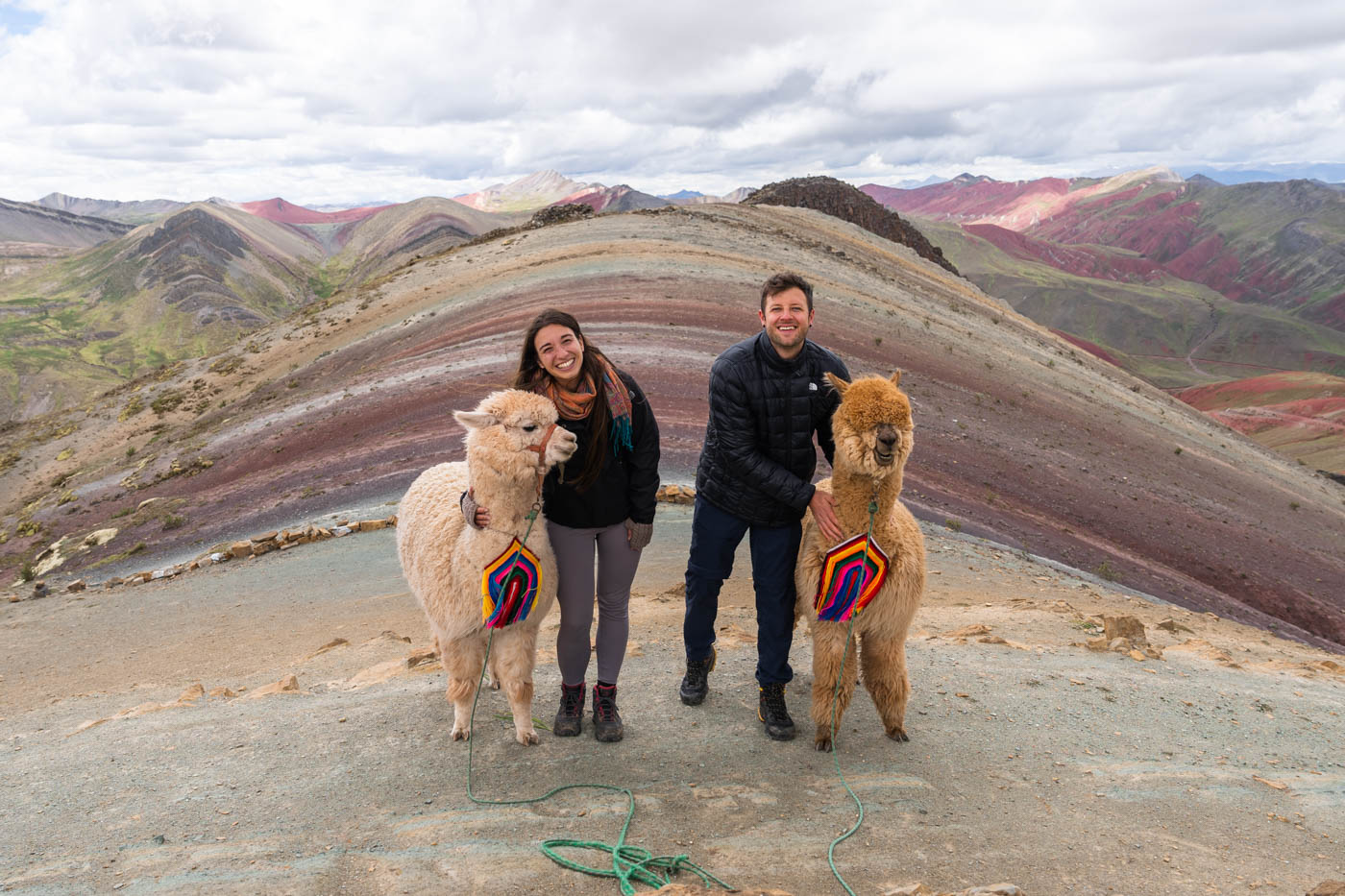
But here’s some advice we wish we knew to keep ourselves safe on our tours:
- Use a reputable tour provider – there are plenty of tour offices around the city, check them out on Google maps and read the reviews.
- Arrive early – aways give yourself an extra 15-minutes of leeway to arrive, to make sure you get to the right meeting spot and not miss your tour.
- Pack sunscreen – it might not be that hot, but at such a high altitude it becomes super easy to burn in the sun!
- Bring lots of water – most tours we joined provided bottled water but it’s good to be prepared as you’ll likely do tons of walking!
Is Cusco safe at night?
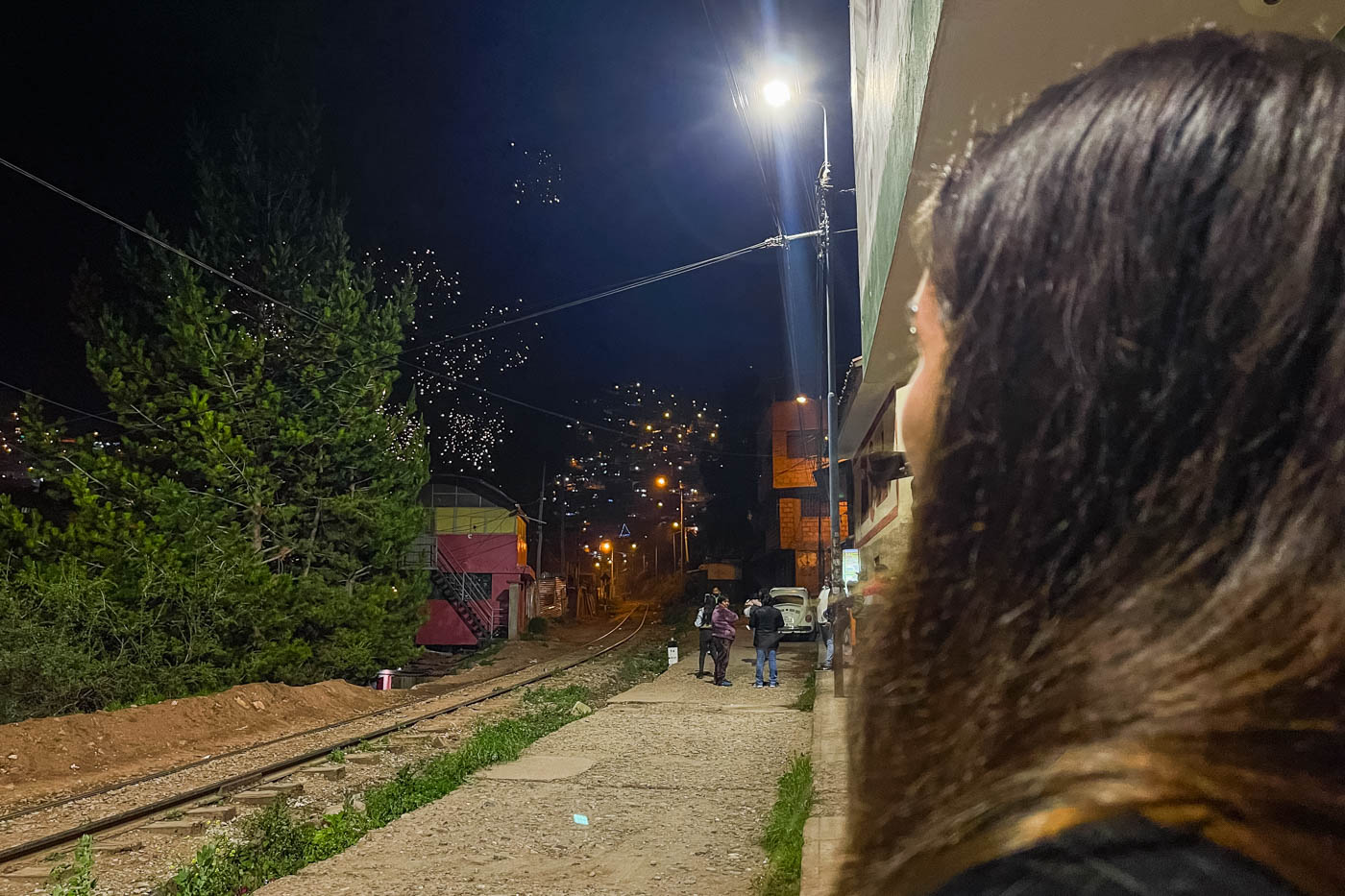
In our experience, the historic centre of Cusco is super safe at night. We walked to and from our accommodation (about 10-minutes from Plaza de Armas) multiple times after sunset and never had any issues.
Just be careful if you decide to head into the suburbs of Cusco. This is something we generally do not recommend doing at night.
Is Cusco safe for solo travellers in 2025?
For sure, Cusco is very safe for solo travellers. The main industry in Cusco is tourism and backpackers flow through every day. There are tons of hostels to meet people and tours to join as solo travellers to make the experience even better!
Is Cusco safe for solo female travellers in 2025?
If I (Sara) had to consider a place in South America to head to as a female solo traveller, Cusco would definitely be my top choice. I’m not saying this just for this guide, but it’s the answer I give to all those that ask me this question.
Safety concerns as a female are so important to avoid ruining a travel experience. After spending one month in Cusco, I can confidently say that I passed my safety check points.

I never felt unsafe strolling around. There were no weird looks at me because I’m a tourist, no cat calling or weird comments, no strange feelings (ya’know that girl-sense when something isn’t right?). Here it never happened.
This might be that Peruvian people are the hands down most genuine and kind people I’ve met in my travels. But at the same time, I’ve never had a single bad experience that I can recall in Peru. For this reason, to me, Cusco is totally safe for girls!
Is Machu Picchu safe to visit?
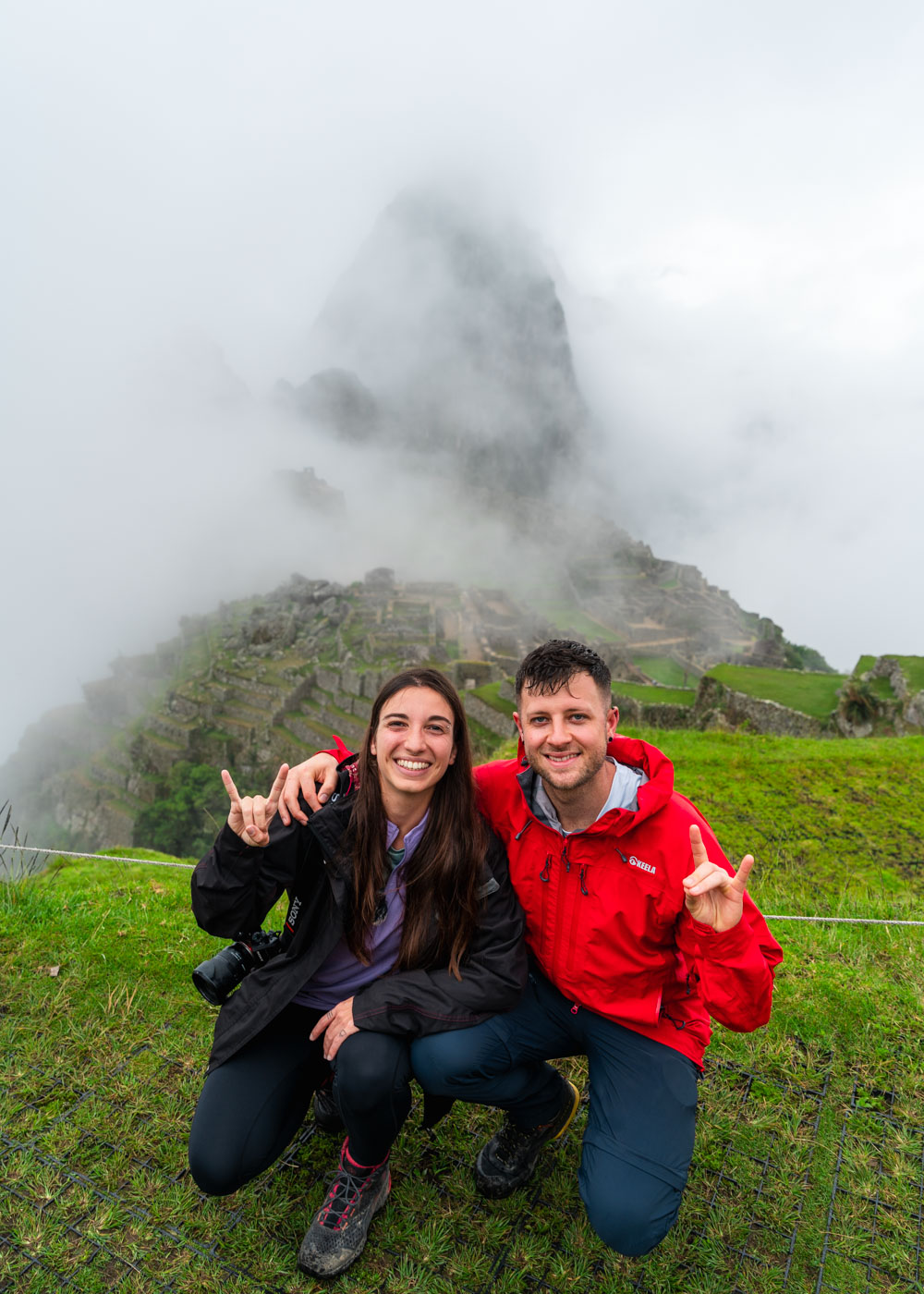
Visiting Machu Picchu is always safe. The entire process of getting there and visiting is solely for tourism purposes. Even the town beside Machu Picchu – Aguas Calientes – was only built as a tourist town for visitors.
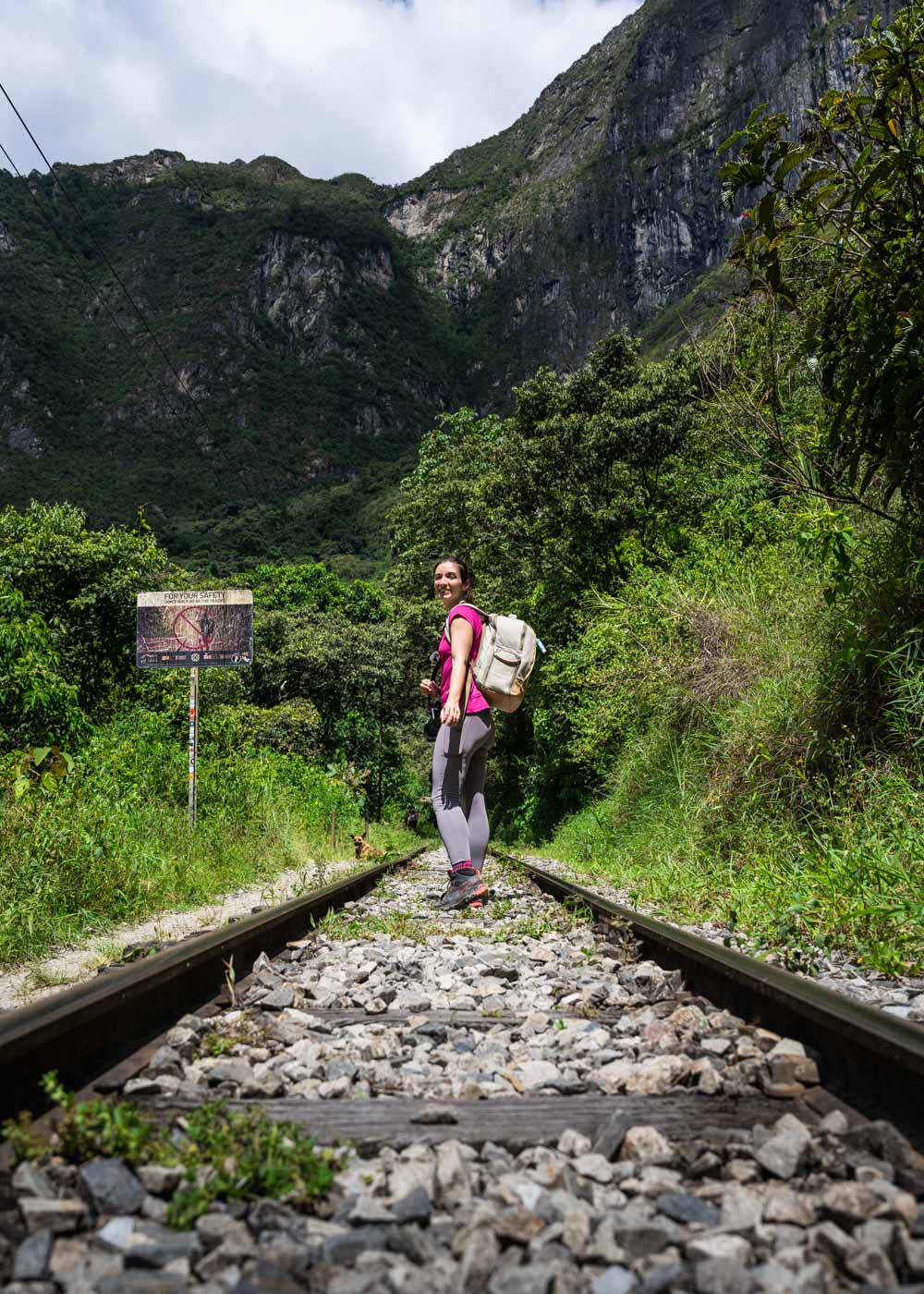
We took a bus from Cusco, trekked part of the Inca trail to Aguas Calientes, spent two nights there and visited Machu Picchu for a day. Not once did we even remotely feel unsafe.
Is Peru safe to visit in 2025?
One thing we heard in every walking tour we took in Peru was the name Sendero Luminoso, also known as the Shining Path terrorist group. They are an organised militia that, in 1980, launched a war against Peruvian society and government to try and install Marxist-Maoist regimes.
But they’ve been on the decline since the early 1990’s and are now pretty much non-existent. So the news we may have heard about Peru back in the late 1900’s no longer applies.
In 2025, Peru is a very safe country to visit and it was one of our favourite countries in South America.
Should you travel to Cusco in 2025?
We fully endorse that anyone thinking of travelling to Cusco in 2025 should! This old Inca capital and mountain city is an adventure lover’s paradise with stunning views all around.

The Andean food in Cusco is unparalleled and everyone we met was sooo friendly. We really think Cusco should be on everyone’s bucket list.
And in terms of safety, you have next to nothing to worry about. In over a month, we never felt unsafe or scared at any point in Cusco. In our opinion, as long as we used our usual travel-based common sense, there was nothing to be concerned about.
Check out our other Cusco guides:
- What’s the rainy season in Cusco like? – Peru Travel Guide
- Cusco Weather in January: A good time to visit?
- Cusco in December: Weather, celebrations, things to do and more!
- Spending Christmas in Cusco: Things to do and how to celebrate!
- One day in Cusco: The perfect 24 hour itinerary!
- 2 Days in Cusco: The best way to see everything quickly!
- 3 days in Cusco: A full itinerary and everything you need to know!
- 4 days in Cusco: A full itinerary and everything you need to know!
- 16 Completely FREE things to do in Cusco!
- How to avoid altitude sickness in Cusco and Peru!
- Visiting the Temple of the Moon in Cusco: Everything you need to know!
- 9 East things to do in Cusco While Acclimating
We hope that our guide covered everything you need to know about if Cusco is safe in 2025. We always strive to offer the most accurate and up-to-date information we can but if you think something we’ve said is wrong, please let us know!